
When we talk about food, there are many suggestions, opinions and debates about what’s healthy and what’s not. Bread for example, has been part of that discussion for years. It can be part of any meal, toast for breakfast, side to your lunch and sandwich for dinner. But, is it really good for us? A healthy diet, can also include fast and simple preparations, like a sandwich.
So when we look for healthy options (closer to a mediterranean diet); experts suggest to look more closely at what we put inside of it instead of always blaming it on the bread.
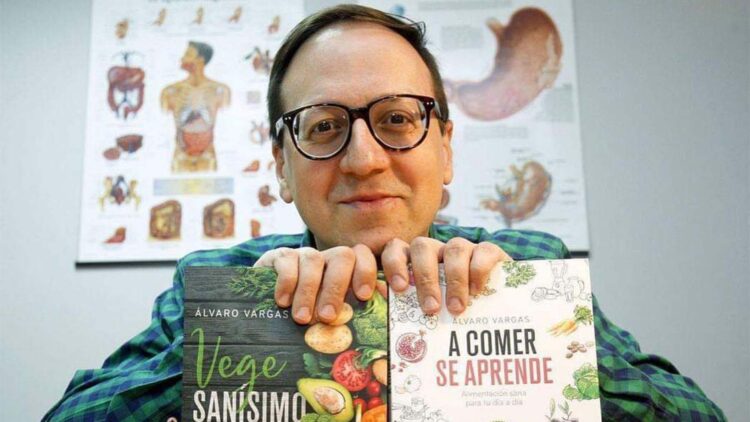
Álvaro Vargas: A nutritionist insight on learning how to eat
Let’s start wit the sandwich, which is without a doubt one of the most easy solutions, manny people turn to it, thinking: “I know is not that good, but I don’t have time today,”—adding a little guilt to every bite.
The nutritionist, Álvaro Vargas, explain on his podcast A comer se aprende con Álvaro Vargas (learn to eat with Álvaro Vargas), that the idea of a sandwich as a non-healthy food is not completely true. “We always think of chorizo, salami, cured meats, saturated fats, white bread… No, no,” he says. For him, the problem is not the format, neither the bread, but all those ingredients we choose to put on the inside.
Vargas propose another recipe: 100% whole wheat bread, layers of hummus and vegetables like avocado, tomato, cucumber, arugula and sliced black olives. You can enjoy “an ultra-nutritious sandwich that takes no more than five minutes to make.” Proving that the quality is mostly on the ingredients, and that to make something healthy doesn’t mean it will lose flavor.
What type of bread to choose?
“Whole-grain bread without sourdough is much better than white bread with sourdough,” that’s Vargas’ first advise on the subject. Completely supporting whole wheat bread.
It sounds good, but what about those extra carbs? “What should we do? Of course not cut them out of our diet—they’re our main source of energy,” he explains.
For the expert, we need to understand what we are eating before cutting out anything out of our plates, we need to eat on a smart way: “What we need to choose are healthy carbs, whole-grain ones, like whole-grain bread and pasta, rice, quinoa, and legumes.” “I’ll never stop repeating it: love carbs, whatever the time of day, as long as they’re healthy,” he adds.
Lastly, he suggest to invite salad to the plate, as a side or even making it the principal character. “Salads can be extremely nutritious and become the main course.”
It’s not about eating less, it’s about choosing better
Vargas remains us that eating healthy, doesn’t necessarily mean that we have to spend hours at the kitchen to end up with a tasteless dish. Fast solutions are also part of a healthy diet, it’s all in the ingredients; you can still make it quick, cheap and very tasty.
The mediterranean diet is a good example; this alimentary traditions started in Spain, Italy and Greece, and it was based on what they could find around them, after many scientific evidence, it’s associated to a better cardiovascular health and lower risk of heart attack and strokes. This diet is all about fresh and non-processed foods: olive oil, fruits, vegetables, legumes and whole grains; fish, yogurt and eggs, and limiting red meat.
If you take a few of these ingredients and put it on a 100% whole wheat bread, you get a healthy and very tasty sandwich.
There are indeed refined versions of bread associated with hunger peaks, more chemicals and less satiety. Therefore, Álvaro Vargas suggests to choose better and put back carbohydrates as the main source of energy.