
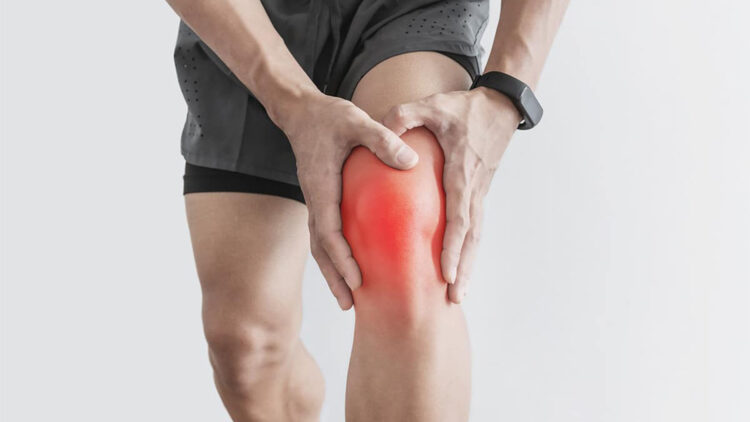
Knee pain is not always caused because of an injury or arthritis. Sometimes is just the result from weak or taut muscles that doesn’t provide enough joint support, especially after extended periods of sitting. The good news is that a basic combination of strength training and stretches can increase joint mobility, reduce muscle soreness, and facilitate comfortable movement.
Building stability in the muscles around it and keeping mobility are essential for gradually reducing pain, according to Aleksandra Kuta, a physical therapist at Hospital for Special Surgery (HSS). That means patience, precise technique, and regular routines to put in practice.
Some basic physiotherapy exercises like soft stretches, strengthening, and, isometric exercises (if needed) can be used to help the knee with intelligent rehabilitation and progressive physical strengthening, while also focusing on the quadriceps, glutes, and hamstrings.
Simple hip and thigh stretches to reduce knee pain
Tight tissues around the knee make every step feel heavier. Here’s three simple options to help with that feeling:
- First, half-kneeling: Do a hip flexor stretch by putting one knee down, the other foot forward, placing your hands on your hips, using your glutes, and gently tucking your pelvis. After moving forward, hold for one to two minutes on each side until the front of the hip feels stretched.
- The dynamic hamstring floor stretch comes next: Lie on your back with your legs straight. Bend again after bringing one thigh to your chest, holding it behind you, and then extending the leg upward. After a minute or two, switch. The hamstrings may stretch without discomfort thanks to this relaxed movement.
- Lastly, the 4 stretch workout for glutes and outer hip: Cross one ankle over the other knee while lying on your back with your knees bent, then pull the lower leg in toward your chest. Hold for one to two minutes on each side. When combined, these exercises relieve regular muscles that limit joint mobility and pull on the knee.
Knee-supporting strength exercises
Joint stress is reduced when the knee is supported by stronger hips and thighs. Try these exercises to reduce it:
- Squats: To coordinate the quadriceps and glutes, place your feet shoulder-width apart, sit back like you’re in a chair, and then stand up straight for three sets of ten to fifteen repetitions.
- Deadlifts (with a dumbbell or household item): With a flat back, hinge at the hips, lower toward the shins, and then stand by squeezing your glutes and pressing through your feet—three sets of ten.
- Monster walk: Place a resistance band above the ankles and walk. Do three sets of 10–15 left and right steps. To ensure lateral stability
- Finish by performing controlled heel and toe raises for 30 repetitions each. The most important thing is consistency; multiple sessions per week can really reduce discomfort and increase stability. While some programs include isometric exercises, the focus here is on rhythmic, easily accessible strengthening that you can begin right away.
Sometimes professional insight is also a good advice
When is the right time to look for professional assistance? See a specialist if your knee or muscle pain gets worse, gets in the middle of your everyday activities, or lasts longer than a month. Make an appointment if the knee feels unstable, locks, or snaps out. To be able to identify problems and create an appropriate rehabilitation plan, physiotherapy can evaluate the entire body, including the hips, hamstrings, quadriceps, glutes, and movement patterns. A check-in before beginning something new (like running or martial arts) can help avoid issues even if there isn’t any pain right now.
Pay attention to your body and mix regular stretches with exercise for stronger knees.