
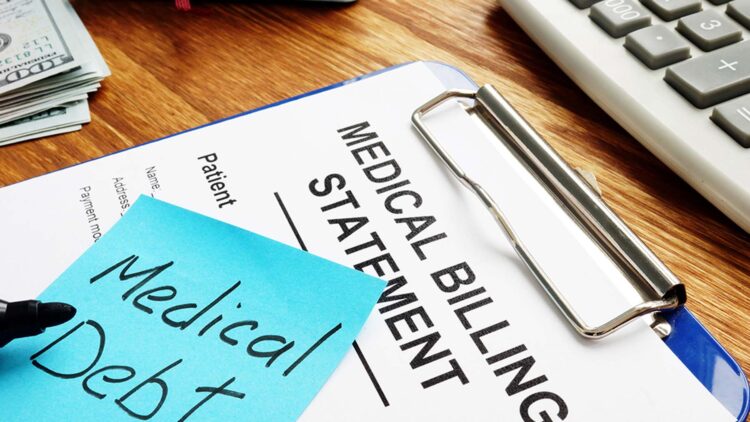
A recent Senate proposal aims to directly assist individuals with medical expenses. For some Americans, the Health Care Freedom for Patients Act would automatically deposit money into Health Savings Accounts (HSAs).
The proposal comes at a time when many families are concerned about premiums and the new Affordable Care Act subsidies are scheduled to expire at the end of 2025. Supporters of the bill claim that direct assistance is quicker and easier. However, the amounts, according to critics, won’t cover actual expenses.
What the Bill would do
Senators Mike Crapo and Bill Cassidy have proposed that in 2026 and 2027, some people would receive an automatic HSA deposits of $1,000 (for those beteween 18 to 49 years old) and $1,500 (for those between 50 to 64 years old). The bill targets individuals who make up to 700% of the federal poverty threshold, which is estimated to be up to $109,550 for an individual and $225,050 for a family of four in 2025. Basic health insurance—like a bronze plan—bought through the official government marketplace, must be part of those receiving assistance.
There are limitations on spending though: Abortion services and procedures related to transgender care are not allowed to be funded with the deposits. Direct assistance, that’s the promise; money would go into HSAs to cover prescription drugs, copays, deductibles, and other eligible medical costs. “I love the idea of money going directly to the people and not to the insurance companies,” President Donald Trump stated.
Why it’s on the table now
Through the American Rescue Plan Act of 2021 and the Inflation Reduction Act of 2022, Congress temporarily increased ACA subsidies during the pandemic. The end date of those increased subsidies is set for December 31, 2025. In the absence of congressional action, premiums could double for over 22 million people, according to KFF.
In light of this, the Senate will vote on two opposing proposals: a Democratic plan to extend the enhanced subsidies for an additional three years and a Republican plan for direct HSA deposits. It comes down to how things work. Should assistance come from premium subsidies that reduce monthly expenses? Or should Congress fund HSAs and allow individuals to use the funds for medical care? Advocates of HSA deposits contend that direct payments can sharpen cost-conscious decisions, and each path approaches affordability in a different way.
Will the money be enough?
An additional $1,000 or $1,500 in an HSA can pay for regular checkups, a few prescription drugs, or an unexpected bill for someone who is generally healthy. However, the gap might be serious for anyone needing long-term care or an urgent procedure. Think about deductibles. In 2026, a bronze plan’s average deductible is projected to be $7,476. $1,000 or even $1,500 only reduces that amount.
The difference has been noted by experts. “This could work for very healthy people, but for anyone with a chronic condition, it won’t get them very far.” said Sabrina Corlette, co-director of Georgetown University’s Center on Health Insurance Reforms. HSAs assist with specific expenses but do not change the deductible. Additionally, HSA deposits don’t reduce premiums like subsidies do; instead, they supply money for medical care.
What to expect next
Both proposals will be put to a vote in the Senate. Eventually, your financial status and health needs will say which approach is more advantageous.
Prepare for simple amounts based on age, income caps at 700% of the federal poverty level, mandatory marketplace coverage, and limitations on specific services if the HSA deposits are approved. Expect also ongoing monthly premium relief after December 31, 2025, if the subsidy extension is approved.
For some households, a $1,000 or $1,500 HSA could be the difference between making an appointment when you need it and postponing treatment. However, for people with long-term needs or high deductibles, it might only be the start of a bigger bill.