
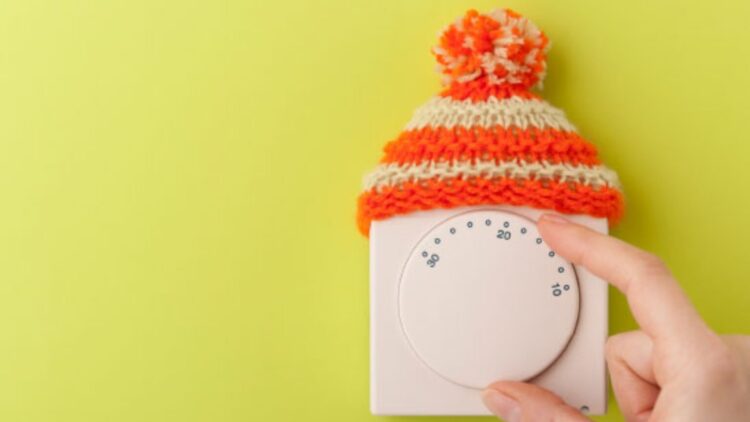
In light of the more than 10% increase in energy costs announced by Colorado officials for this winter in the United States, property expert and founder of Property Buyers Today, Saif Derzi, has shared four tricks homeowners can reduce their energy bills without having to carry out home renovations. He explains how to make DIY thermal curtains from old blankets or wool fabric, which, when lined with regular curtains, are very useful for creating a thermal barrier.
Derzi also recommends using aluminum foil to retain the heat from wall radiators. Having a fireplace and not using it is like having an open window. For this reason, he recommends fireplace balloons, which act as an airtight seal to prevent drafts. The last trick involves using bubble wrap, which, when attached to the window, creates an insulating layer that allows light to enter while trapping heat.
Impact of cold weather on the energy bill
The arrival of winter also comes hand in hand with the increase in household energy bills in the United States. According to officials in Colorado, this bill increase for 2025 is expected to be an additional 10% in the United States with the onset of winter. However, there are ways to reduce these figures through home methods.
According to a property expert and founder of Property Buyers Today, Said Derzi, “Most people think of expensive solutions like wall insulation or triple glazing when considering how to heat their homes. The reality is that there are several affordable methods that anyone can apply without specialized knowledge”.
Home tricks to reduce the economic impact on utility bills this winter
DIY Thermal Curtains
Derzi clearly explains how to make them: “Thin curtains do very little to prevent heat from escaping through the windows at night. Instead of buying expensive thermal curtains, line the existing ones with materials like old blankets, wool fabric, or even emergency blankets.” This trick creates a thermal barrier that traps heat during cold nights. “During particularly cold nights, you will notice the difference immediately,” said Derzi.
Aluminum foil
According to Derzi, it is common for radiators installed on walls to lose a significant amount of heat through them, so somehow “insulating” them could be useful. Derzi explains the trick as follows: “Placing kitchen foil behind radiators reflects the heat back into the room instead of allowing it to escape outside. This technique costs a few cents but can reduce heating bills by making your existing system more efficient”.
Chimney Balloon
According to Derzi, unused chimneys are like “open windows, continuously letting hot air out of your house.” That’s why he recommends using chimney balloons to create an airtight seal and prevent drafts. You can also fill the chimney with pillows, old blankets, or newspapers to block that airflow. “But always leave a note reminding you to remove them or the chimney balloon if you want to use the chimney at a later time,” Derzi warned.
Bubble Wrap
Another material used by Derzi is bubble wrap. “Simply spray water on your windows and press the bubble wrap against the glass, with the bubble side facing the window,” he explained. It may not look very good, but it works very well for rooms or conservatories that are used infrequently, where appearance matters less than warmth, while still being cost-effective”.
Implementing this type of home measures could help reduce the impact on energy bills this winter. “These techniques cost very little but make a noticeable difference in how warm your home feels. During cold periods, the combination of several methods creates a significant improvement without expensive renovations,” said Derzi.