The Supplemental Nutrition Assistance Program (SNAP), which provides food assistance to over 42 million low-income Americans, is ready for a big change as part of the “Make America Healthy Again” initiative.. The U.S. Department of Agriculture (USDA) has authorized waivers for 18 states to modify what can people can buy with SNAP benefits.
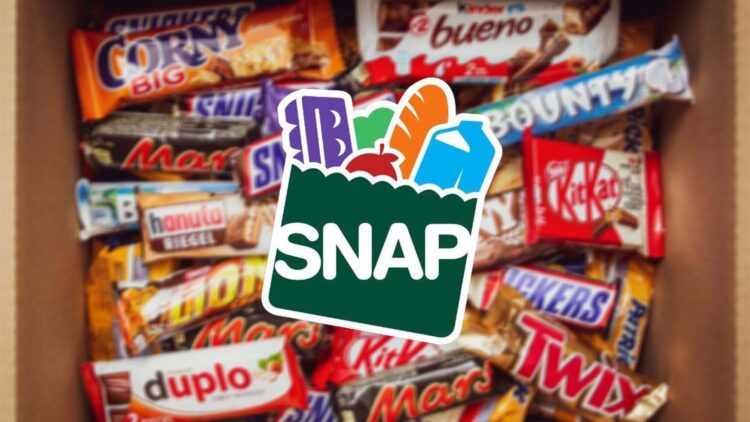
Some products that are deemed to have low nutritional value will no longer be included in SNAP expenditures: sugar-filled beverages like soda, candies, and in some cases, processed drinks.
The program’s goal is to help lower chronic disease by refocusing on nutrition.
Governors have been commended by officials for “leading the charge on SNAP reform.” The new strategy tries to bring the program’s focus back to health and its “true purpose, nutrition,” according to Secretary of Agriculture Brooke L. Rollins and Secretary of Health Robert F. Kennedy Jr. Dates will change by state, but many changes will start in 2026.
What will change, and why is this happening now?
The main focus of the reform is what can be covered by SNAP funds. Although the specifics change by state, the most typical updates include:
- Sugary drinks: The majority of states will no longer allow SNAP recipients to buy soda.
- Candy: Candy and sweets will be restricted in at least eight states.
- Processed drinks: Certain states will set a boundary according to the amount of juice. For example, fruit and vegetable drinks with less than half natural juice are banned in Arkansas.
- Energy drinks: Many states will soon specify whether or not these products are eligible.
The objective, according to federal officials, is to encourage a better nutrition and reduce chronic illnesses associated with diets that are heavy in sugar and highly processed foods. They also emphasize the obligation to use public funds for health-promoting products.
Supporters insist that this is about bringing SNAP back to its original intent and promoting purchases that support families. Governors are “leading the charge on SNAP reform,” as those in favor of the policy point out, and the change is meant to be both pragmatic and health-oriented.
When the new rules start: Dates by state
Most of the bans and restrictions will begin in 2026, and the rollout will be gradual throughout the 18 states that have been approved. The timeline is this:
Early 2026
Arkansas, Idaho, Indiana, Iowa, Nebraska, Utah
August 2026
Colorado, Florida, Louisiana, Oklahoma, Texas, West Virginia
Month to be confirmed (in 2026)
North Dakota, Hawaii, Missouri, South Carolina, Tennessee, Virginia
Your SNAP card will still work normally if you live in one of these states, but once your state’s date arrives, some products will be blocked at checkout. The specific lists will probably change from place to place because each state’s waiver impacts the final regulations.
A healthier time for SNAP
Secretary Rollins stated that the purpose of the USDA waivers, which allow states to redefine “food to buy,” is to “protect children from the dangers of highly processed foods” while encouraging families to choose healthy foods.
At the register, will this feel different? Yes, especially if you usually buy candy, soda, or other processed drinks. Nevertheless the basic idea is that better choices should be backed by the general public.
Families in the United States may find the change difficult because it could feel like “telling you what you can and cannot do.” It’s important then to make this distinction because, yes, you will be limited in what you can purchase if you want to use your SNAP benefits for payment. However, at the grocery store, you can still buy anything you want—it’s no a general ban—but you will need to find another way to pay.