
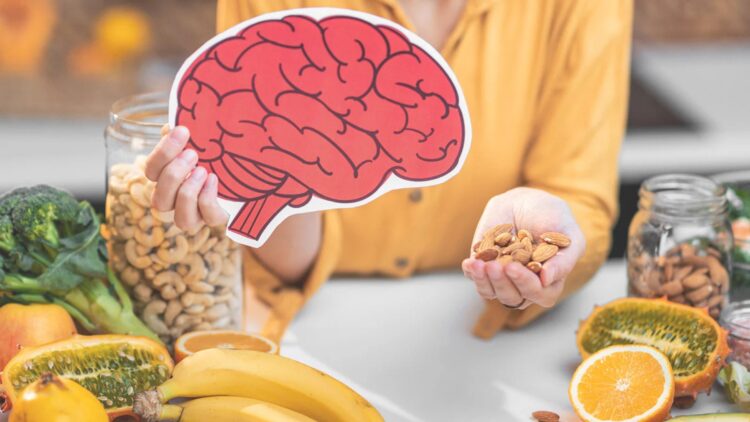
A study published in the National Journal of Neuroscience highlights the importance of consuming a diet rich in healthy fats, antioxidants, and vitamins, with the aim of preventing cognitive decline and promoting active neuroprotection. To achieve this, they emphasize the importance of including foods rich in Omega-3, flavonoids, B vitamins (B6, B12, and phosphate), vitamin D, and vitamin E in the diet. They also stress the importance of consuming others in moderation, such as saturated fats, calcium, zinc, or copper, as they affect brain function in the long term.
Brain Health
Maintaining a balanced diet is not only beneficial for staying healthy internally and physically, but it also has benefits for the brain. Evidence of this is the study published in the National Journal of Neuroscience, which highlights the importance of consuming certain nutrients for their effect in preventing cognitive decline and promoting active neuroprotection. According to the study, “The relationship between diet and brain health is direct: what we eat can determine our level of concentration, memory, and even our mood”.
What should we include in our diet?
According to the Active Neuroprotection plan, there are two strategies that are combined. On one hand, maximizing protective compounds and on the other, minimizing harmful ones. According to the article, these are the nutrients we should incorporate:
- Omega-3. Reduces cognitive decline and improves mood. It is found in salmon, chia, flaxseed, walnuts, and kiwi.
- Flavonoids. Found in cocoa, green tea, red wine, and citrus fruits, they improve memory, especially in older adults.
- B vitamins (B6, B12, folate). Support memory and prevent mental decline. They are obtained from liver, fatty fish, eggs, dairy, and fortified cereals.
- Vitamin D. Essential for preserving cognition. It is found in fatty fish, mushrooms, and fortified beverages.
- Vitamin E. Delays cognitive decline and improves neuronal function. Found in avocado, spinach, seeds, and vegetable oils.
Which ones should be avoided?
The study also refers to certain nutrients that should be moderated to prevent long-term brain damage.
- Saturated fats. They increase deterioration and worsen brain damage. Avoid excessive butter, lard, aged cheeses, and coconut oil.
- Excess calcium and zinc / selenium deficiency. Imbalances of these minerals can affect cognition. Watch their sources and doses.
- Copper. Both excess and deficiency can be associated with neuronal damage. Found in oysters, liver, and Brazil nuts.
Frequently asked questions
What is the direct relationship between diet and the brain?
What we eat directly influences our mental health, specifically determining our levels of concentration, memory, and mood.
What does the “Active Neuroprotection” strategy consist of?
It is a two-part plan that aims to maximize the intake of protective compounds (such as antioxidants) and minimize harmful nutrients to prevent brain aging.
What specific benefits do flavonoids and Omega-3 provide?
Omega-3 helps reduce cognitive decline, while flavonoids (found in cocoa or green tea) are key for improving memory, especially in older adults.