
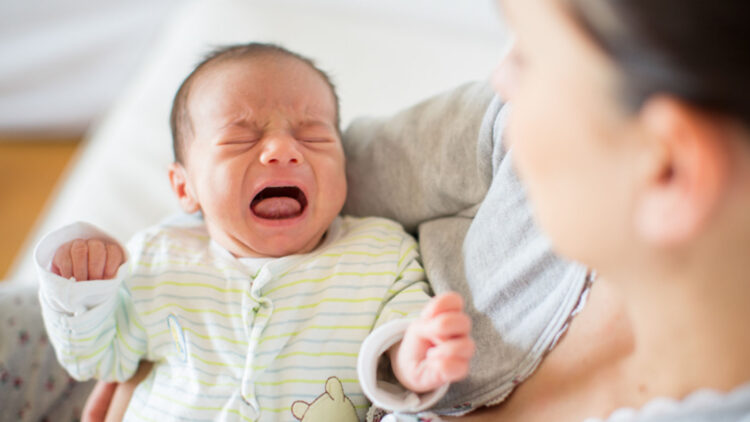
Parents can feel very anxious when babies cry, and often after they have turned 1 or 2 years old, they try to “teach” them how to cry. Conchita Sisí, director of the Health in Mind Clinic, and who is also part of the campaign The Revolution of the Weepers, by IMC Toys, has a very interesting insight about this subject.
Q&A with Conchita Sisí, the expert in crying:
Is crying necessary for a baby?
Conchita says yes! This is the main communication option for them, they express hunger, fatigue, feeling uncomfortable, pain or need for touch. But is also an adaptable function.
Does the baby’s crying activate his parent brain?
According to the expert, it depends; sometimes it releases oxytocin, which is the connection hormone and prepares the carer to respond fast and in a protective way.
Why do babies cry?
“There are many reasons; physiological needs, pain, too much stimulation, fatigue, need for contact, security or emotional regulation.” Sisí says. They don’t cry “looking for attention,” or at least, not at first, this is the first way in which they can actually communicate.
Looking at it symbolically, toys like Crying Babies (Bebé llorones) help normalize this emotional reality.
How to respond when the baby cries?
It’s important to understand that in the first month, its convenient to respond quick, but in a sensitive way, showing you are available, but calm. The expert adds: “that way, the baby learns that the world is safe and that his needs will be met.” But she warns that if the parents act immediately all the time further in the future, that can reinforce—not in purpose—behaviors that are in fact just asking for attention.
Why are babies sometimes asked not to cry?
“For cultural and educational beliefs that associate crying with weakness, especially in children. Many adults are uncomfortable with crying and, unintentionally, invalidate.” Conchita Sisí says.
But after the first months, it’s not up to the baby anymore, now it’s the adult who has to regulate.
Is it normal for children (not babies) to cry a lot?
“Yes, depending on the context.” Kids are developing self-regulation, and crying can express frustration, fear, anger too. It doesn’t mean they are being weak.“ Through the game (for example, with Crying Babies) they rehearse empathy and care.” The expert states.
Should we let our children cry?
Sisi responds again: “depending on the context.” For her, we don’t always have to “cut” the crying, but rather “accompany it” Being available to validate and help putting words and strategies to those feelings.
How to respond to the crying of a child over 2 years old?
“First, the emotion is accompanied, then comes the explanation or learning.” According to Sisí, you should recognize and validate to begin with: “I see that you are very angry or very sad.” Then, put some clear limits without minimizing or ridiculing what’s going on at that moment (“It’s not that important”). The last thing to do is to try and name what they feel and offer alternatives—when they are a bit more calmed.
Does crying influence emotional development?
“Yes. If the crying is heard and accompanied, the child understands that his emotions are valid and learns to regulate them, favoring self-esteem, empathy and emotional intelligence. If you ignore or repress yourself, you can disconnect from what you feel or express it in a maladaptive way later.”
Impacts on the future, according to experts
By helping babies understand how to express and regulate when they feel like weeping, prepare future kids and teens to communicate with a more effective and empathic way later.
It’s a method that compared to older techniques offers long-term results and a stronger connection with the parent or guardian.