
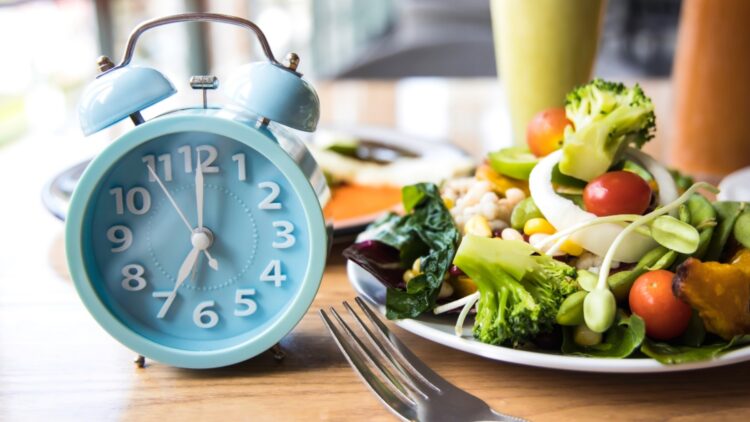
After the feasts and toasts typical of the Christmas holidays, it is almost inevitable to feel that our clothes fit a little tighter. Although gaining some weight is normal after the holidays, the real danger comes in January when the desire to lose the gained weight suddenly appears. Nutritionist Lourdes de la Bastida warns that jumping into extreme diets or stopping eating to “compensate” is a mistake that can be harmful to health. The key to returning to our weight should not rely on miracle diets or skipping meals, but on getting back to common sense, staying well hydrated, moving a little, and, above all, getting enough sleep.
Post-Christmas diets
More or less, Christmas is a time for enjoyment in every sense. It’s that time of year when dinners with friends and family meals stretch for hours, and where food and drink are never missing. It’s completely normal that, with so much celebration, we end the year with a couple of extra kilos. The problem isn’t that extra cookie, but what we usually do afterward to try to “fix it”.
Many fall into the temptation of starting the year with starvation diets that promise miracles in a week. But be careful, because sacrificing your health just to see a lower number on the scale isn’t worth it. Experts are clear: what comes off quickly, returns quickly, and along the way, you can destabilize your metabolism.
Nutritionist Lourdes Bastida warns about the risks of opting for these types of restrictive diets, whether in the short or long term: Fasting or cutting out foods to compensate for holiday excesses can seriously damage your health, especially for people who suffer from anxiety, nutritional imbalances, or are already at risk of malnutrition. Adopting restrictive measures is useless; what is correct is to return to your normal eating schedule, as well as to regular exercise and good rest. According to Bastida, “No extreme is a good extreme. Healthy eating should be based on moderation and common sense. No extreme is good, and overeating one day just to ‘compensate’ the next can seriously harm your health”.
What can be done about it?
Returning to the normality of our routine and our body requires a little time and regaining healthy habits such as drinking water, which will help eliminate the excess salt and sugar consumed during these dates. Physical activity is also essential, as is getting good rest. According to Bastida, “Stay active—go for a bike ride, skate, or take a hiking trail. These are great ways to help your body feel better. And make sure to sleep what your body needs. A healthy sleep routine is essential for overall well-being”.
Frequently asked questions
Is it good to fast to make up for Christmas feasts?
No. According to Lourdes de la Bastida, skipping meals or drastically cutting out foods can harm your health and cause anxiety. The right thing to do is return to your normal eating schedule without imposing physical punishments.
What risks do “miracle diets” have?
Although they promise quick results, they often destabilize metabolism and lead to immediate rebound effects. As the expert says, “no extreme is good”; the key to avoiding suffering is to apply common sense and moderation.
How can I help my body recover naturally?
Instead of extreme diets, focus on drinking enough water to eliminate excesses, engaging in some physical activity you enjoy (such as walking or cycling), and, above all, sleeping well so your body can self-regulate.