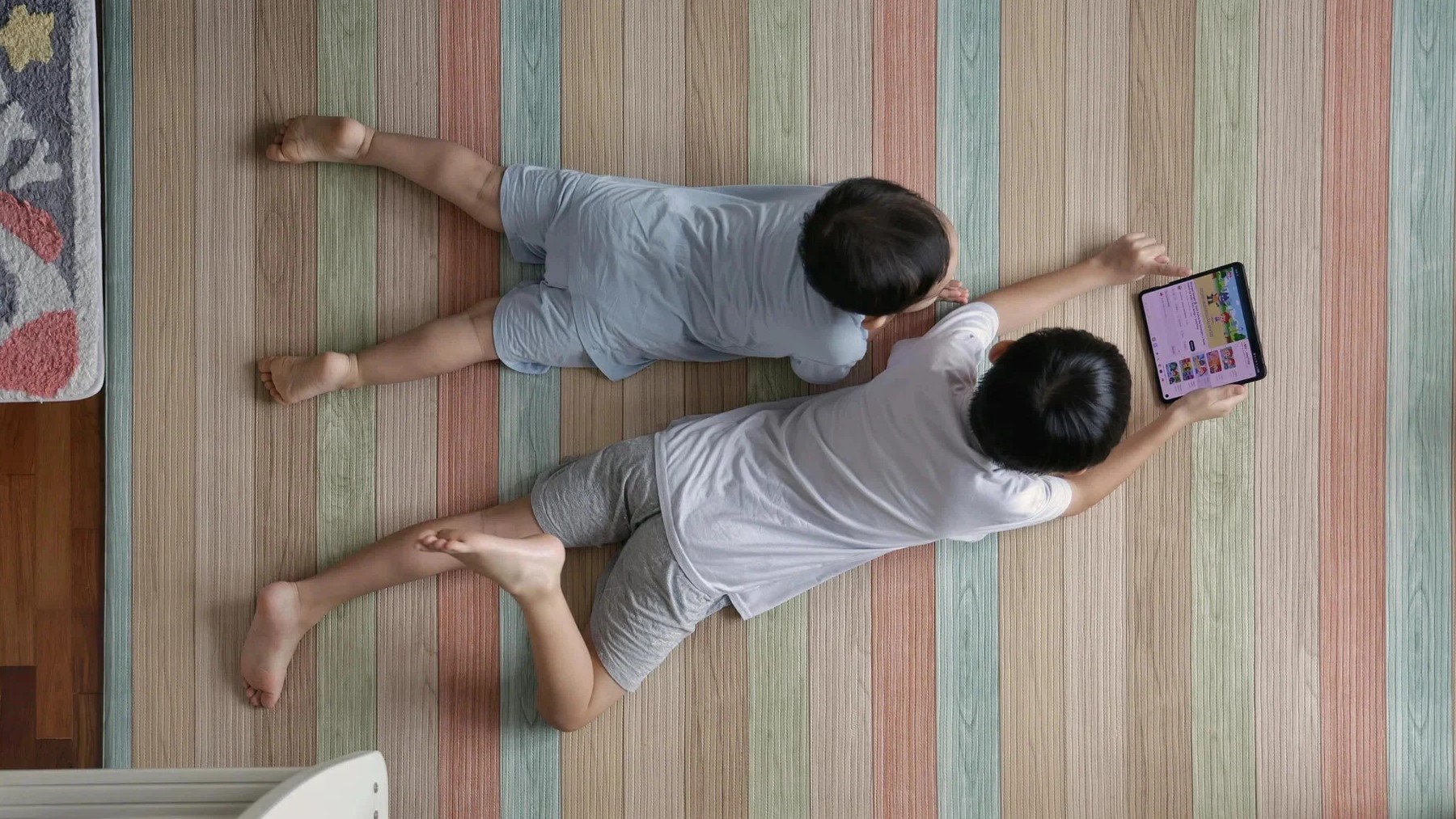
The fact that children want to watch the same episode of Bluey or read the same book repeatedly before going to bed each night can be frustrating for many parents. However, this behavior is essential for the cognitive and emotional development of children, as through input effect and statistical learning, their brains detect logical patterns to understand the world. Additionally, they also engage in repetition because it produces a well-being effect, which gives them security and a sense of control in an environment where they are constantly learning.
The Well-Being Effect
If you have small children at home or in your environment, you have likely experienced more than once that they ask for the same book or want to watch the same episode of their favorite series repeatedly. These behaviors respond to the cognitive and emotional needs of young children, as well as their learning capacity. Childhood is a stage of constant learning where children are constantly faced with new stimuli, which can be exhausting.
That is why if they choose, for the umpteenth time, to watch the same movie or read the same book, parents should not correct this behavior, as there is a reason behind this choice. It is a familiar stimulus that provides comfort and security, and it also allows the child to experience feelings of competence and control. Choosing their own activity also gives them a sense of autonomy that they usually don’t have control over.
The importance of observation
As is natural, not all children display the same behaviors. This is the case for children on the autism spectrum, who often show more intense areas of interest. Despite the cognitive, developmental, and learning benefits that repetitive patterns offer, parents must learn when to intervene and when to step back. If this behavior begins to become problematic and interferes with daily activities, such as the ability to interact with others, engage in physical exercise, or carry out daily routines, it could be turning into an issue.
There is no specific manual; rather, it is up to the parents to pay attention. However, the next time you find yourself having to imitate the voices of characters from a well-known story or reenact an episode you already know by heart, remember the benefits of the input effect and the emotional stability you are providing to the little one.
Frequently asked questions
Why do children insist on repeating the same content?
It is due to statistical learning. The child’s brain needs repetition to detect patterns and regularities in language and the environment. By watching the same episode, they consolidate essential logical and linguistic concepts for their cognitive development.
What is the “well-being effect” in repetition?
It is the sense of security that a child feels with a familiar stimulus. In a world full of new and stressful things, knowing what will happen next in a story brings them comfort, feelings of competence, and a sense of autonomy that they rarely experience in their daily life.
When can repetition become a problem?
Only when fixation negatively interferes with daily life. If the interest prevents the child from exercising, socializing with others, or completing basic routines, it is time for parents to intervene to balance their activities.