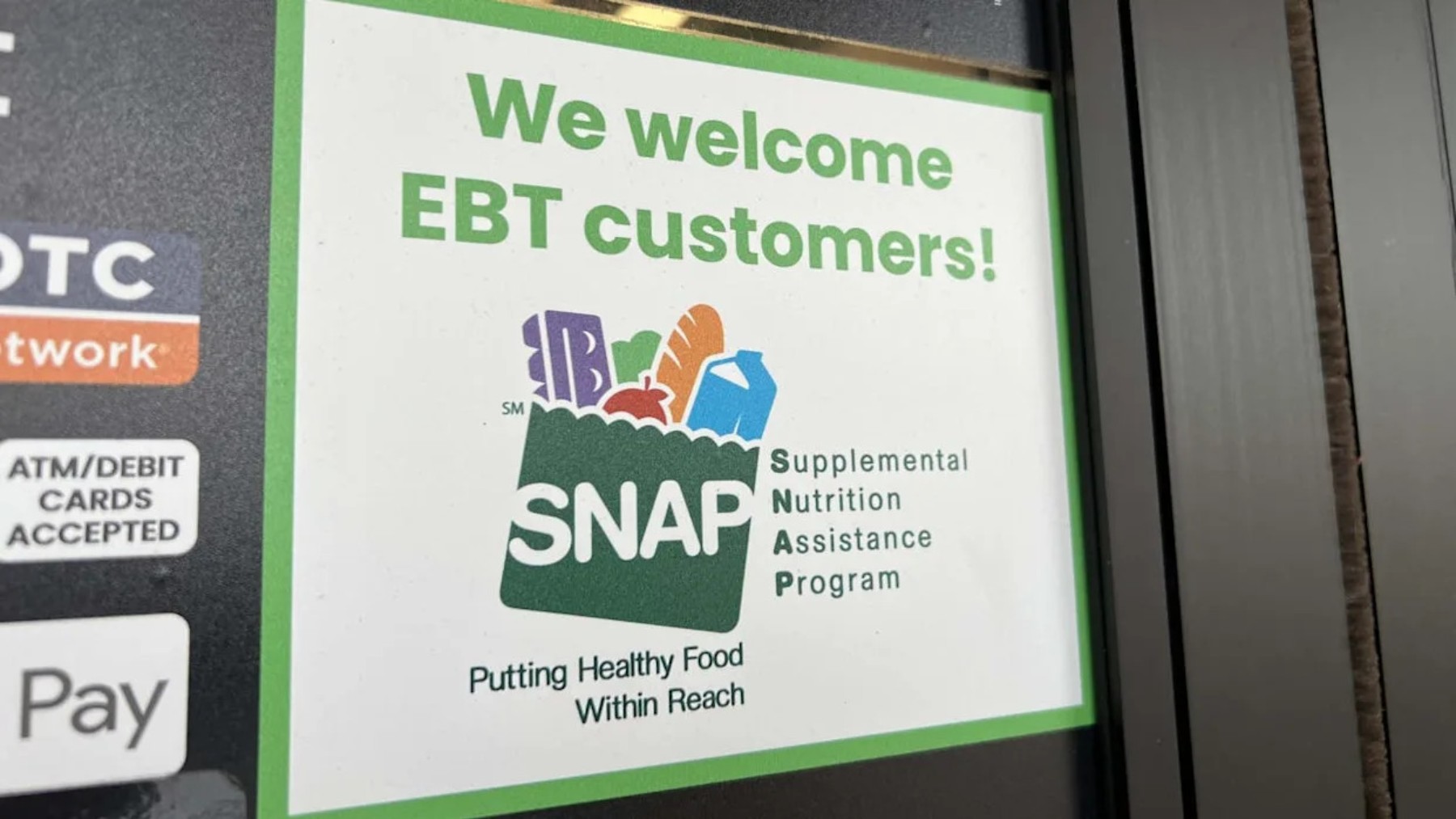
With the arrival of the new year, changes are also coming for recipients of the Supplemental Nutrition Assistance Program (SNAP). Indiana, Iowa, Nebraska, Utah, and West Virginia are the first of at least 18 states that have approved extensions to prohibit certain foods that can be purchased with this federal aid, including soft drinks, candy, and other products considered unhealthy.
Secretary of Health, Robert F. Kennedy Jr., and Secretary of Agriculture, Brooke Rollins, are solely responsible for pushing this new measure, which aligns with the Make America Healthy Again agenda. Despite the initiative, retail experts warn of the complexity of this change, as there are no clear lists of the affected products. According to nutrition expert Kate Bauer from the University of Michigan, this measure will be a disaster.
Changes in SNAP
With the arrival of the new year, beneficiaries of the Supplemental Nutrition Assistance Program (SNAP) will no longer have access to certain products when making their usual purchases. This is part of an initiative promoted by Secretary of Health Robert F. Kennedy Jr. and Secretary of Agriculture Brooke Rollins, who intend to encourage the removal of foods linked to health problems from SNAP. This measure includes products such as sugary drinks and candies, in line with the Make America Healthy Again agenda.
The states affected by this new measure, at least for now, are Indiana, Iowa, Nebraska, Utah, and West Virginia, according to information from The Associated Press. According to Kennedy’s recent statements, “We cannot continue with a system that forces taxpayers to fund programs that make people sick and then pay again to treat those illnesses”.
Entry into force
The entry into force of this new measure took place on January 1 and will affect about 1.4 million people depending on the state. The restrictions are as follows:
- Utah and West Virginia: prohibit the use of SNAP to purchase soft drinks and other non-alcoholic beverages.
- Nebraska: bans soft drinks and energy drinks.
- Indiana: limits the purchase of soft drinks and sweets.
- Iowa: restricts taxable foods, including soft drinks, sweets, and some prepared foods.
How does it affect retail?
According to experts in commerce, retail, and health policy, state SNAP systems struggle to implement changes of this complexity, especially in a scenario marked by budget cuts. Furthermore, there is no list clearly detailing the affected products, not to mention that payment systems vary between stores and states. Additionally, the National Retail Federation anticipates checkout issues in supermarkets when beneficiaries find out which products they can no longer buy. According to Kate Bauer, a nutrition expert at the University of Michigan, “It’s an imminent disaster when people try to buy food and are rejected.” Implementing these restrictions will initially cost retailers $1.6 billion and $759 million annually thereafter, according to a report from trade associations.
Frequently asked questions
Which products can no longer be purchased with SNAP and where?
In states like Indiana, Iowa, Nebraska, Utah, and West Virginia, the use of SNAP has been banned for buying soda, candy, and energy drinks. The measure, part of the “Make America Healthy Again” agenda, aims to remove unhealthy foods from the federal program.
Why is the implementation of this measure so complex?
Experts and retailers point out that there are no clear lists of affected products and that the payment systems at checkout are not ready. This will create confusion in supermarkets and an initial cost of $1.6 billion for stores to upgrade their technology.
What is the main goal of these restrictions?
According to Health Secretary Robert F. Kennedy Jr., the goal is to prevent taxpayers from funding foods that make people sick, only to then pay for their medical treatments. The aim is to encourage eating habits that do not lead to chronic diseases.