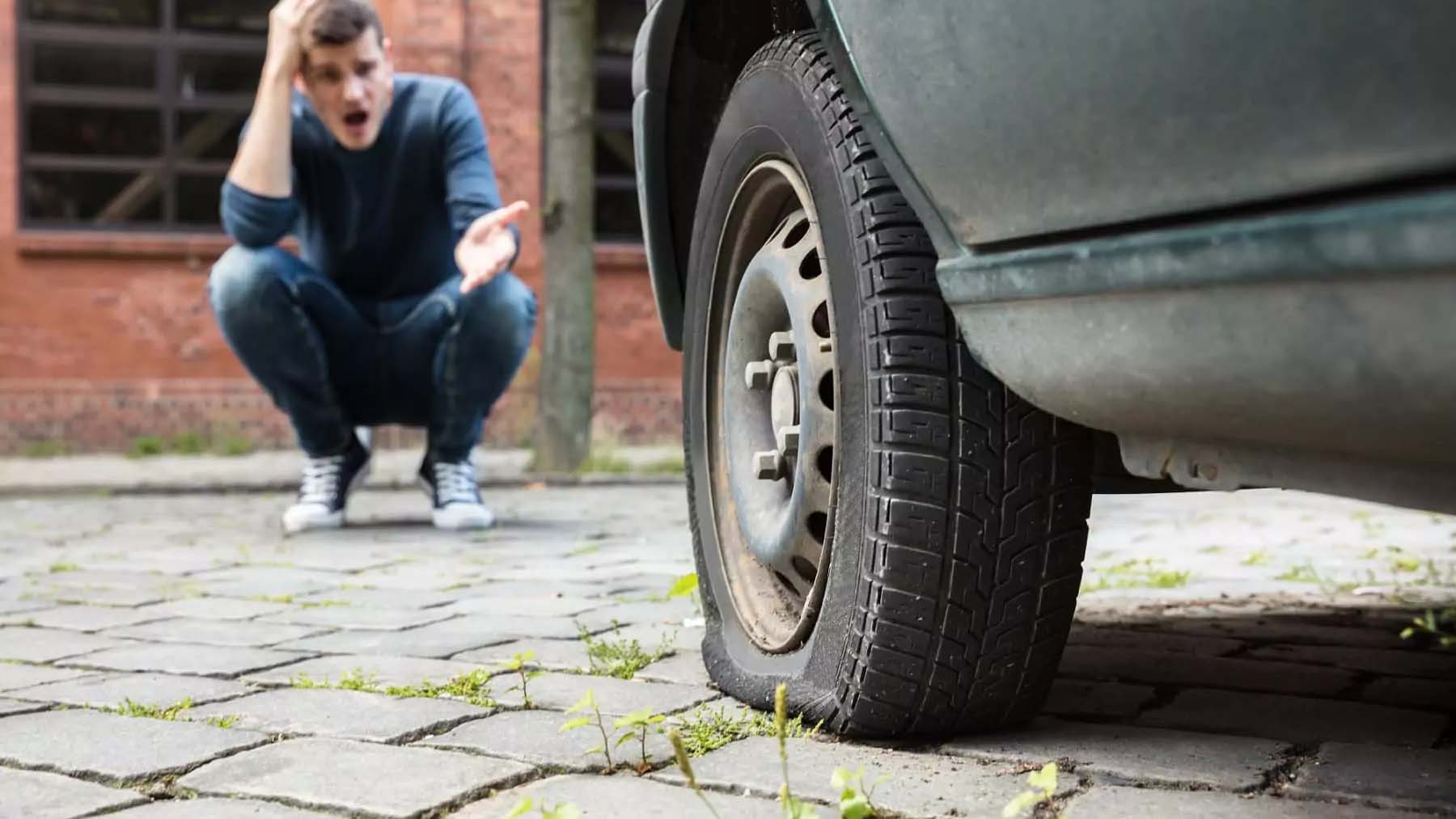
Many people think that when their cars are consuming more gas than usual, it’s because they might be driving faster than usual too. However, experts warn that underinflated tires may be the cause of your increased gas costs, not your driving habits.
Tires sag and compress under the weight of the vehicle if they are flat, and this increases a resistance when the car is rolling, fuel consumption, and reduces engine efficiency.
The engine has to work harder than it would at the manufacturer’s recommended pressure.
Driving with low pressure makes your engine work harder. Therefore, even if it might not totally damage the transmission or other vital parts, you should definitely avoid the risk.
Checking your tires could save you gas
According to an Oak Ridge National Laboratory study, wheels with 25% less pressure than what is advised saw a 2-3% decrease in fuel efficiency.
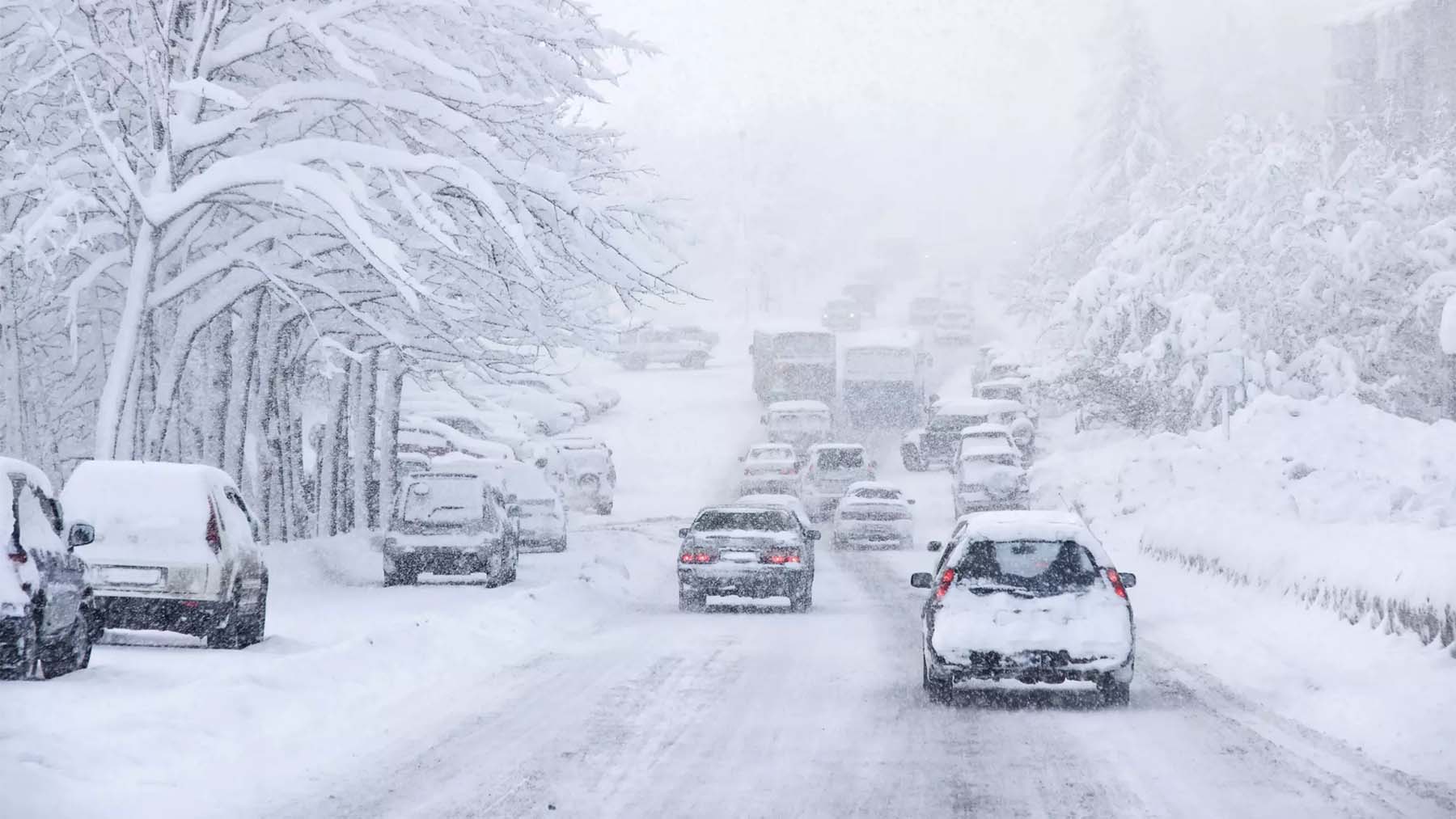
You need to pay extra attention to pressure in the winter because it decreases even more when it’s cold, losing one or two PSI (pounds per square inch) for every ten degrees. This happens because the air contracts and gets denser as it cools, lowering the tire pressure.
The real cost of driving on underinflated tires
Each vehicle’s recommended pressure is indicated on the driver’s door frame and in the owner’s manual. Wheels should never be filled to the pressure listed on the tire because that number indicates the tire’s maximum pressure instead of the suggested pressure.
An underinflated wheel not only lowers miles per gallon but can also seriously harm the tire’s structure and provide worse road grip.
In addition to reducing fuel efficiency, underinflated tires can create long-term expenses and compromise safety. According to estimates from the National Highway Traffic Safety Administration, wheel-related problems, like improper inflation, are responsible for thousands of crashes every year.
At highway speeds, low tire pressure increases the risk of blowouts, causes uneven tire wear, and impairs braking performance. Also, it may put additional stress on the engine, raising emission and needing more frequent maintenance.
However, by routinely checking tire pressure—especially during seasonal temperature changes—this issue can be easily avoided.
The truth about overinflated tires and fuel efficiency
What about overinflation? Is fuel efficiency improved if you add a little more air than the recommended level? You might think that your car will perform better if you inflate your wheels more than the manufacturer recommends.
However, tire manufacturers usually consider it unnecessary.
Fuel efficiency could improve slightly because of overinflation, but it may also be negative. According to a test, fuel economy improved by just 0.12% when the recommended limit was raised by 40%.
There are benefits, but they are very small and possibly dangerous. Overinflated tires can worsen ride comfort, raise the chance of failure, and lead to faulty handling.
When a car has overinflated wheels, tire wear is also likely to increase, particularly in the middle section.
What experts recommend to avoid flat tires
Automakers consider many factors when determining the proper pressure, including handling, safety, fuel economy, and tire life. Modern cars are easier to keep track of because they have systems to monitor pressure.
However, the general recommendation is to always make sure the wheels are properly inflated and don’t ignore the warnings from those systems.
Here’s what experts say to avoid further problems related to flat tires, and save fuel:
- Use a reliable tire gauge to check tire pressure before long trips and at least once a month.
- Inflate your tires to the recommended PSI by the manufacturer, especially during the winter.
- Check the pressure when wheels are cold, monitor dashboard alerts, and make small adjustments if necessary as the temperature gets warmer.