If you haven’t noticed any changes at Arkansas supermarket checkout counters, you will find out very soon. There’s a new law that went into effect on January 1.
The Grocery Tax Relief Act was introduced by Governor Sarah Huckabee Sanders back in March with the goal of removing the “regressive tax” and easing the “burden on families just trying to put food on their tables.”
This comes at a time when inflation has American citizens worrying about making ends every month.
According to Commenda, grocery taxes in Arkansas were 0.125% until December, but they are now at zero percent at the state level—or at least all the eligible products.
New Arkansas law removes state grocery tax
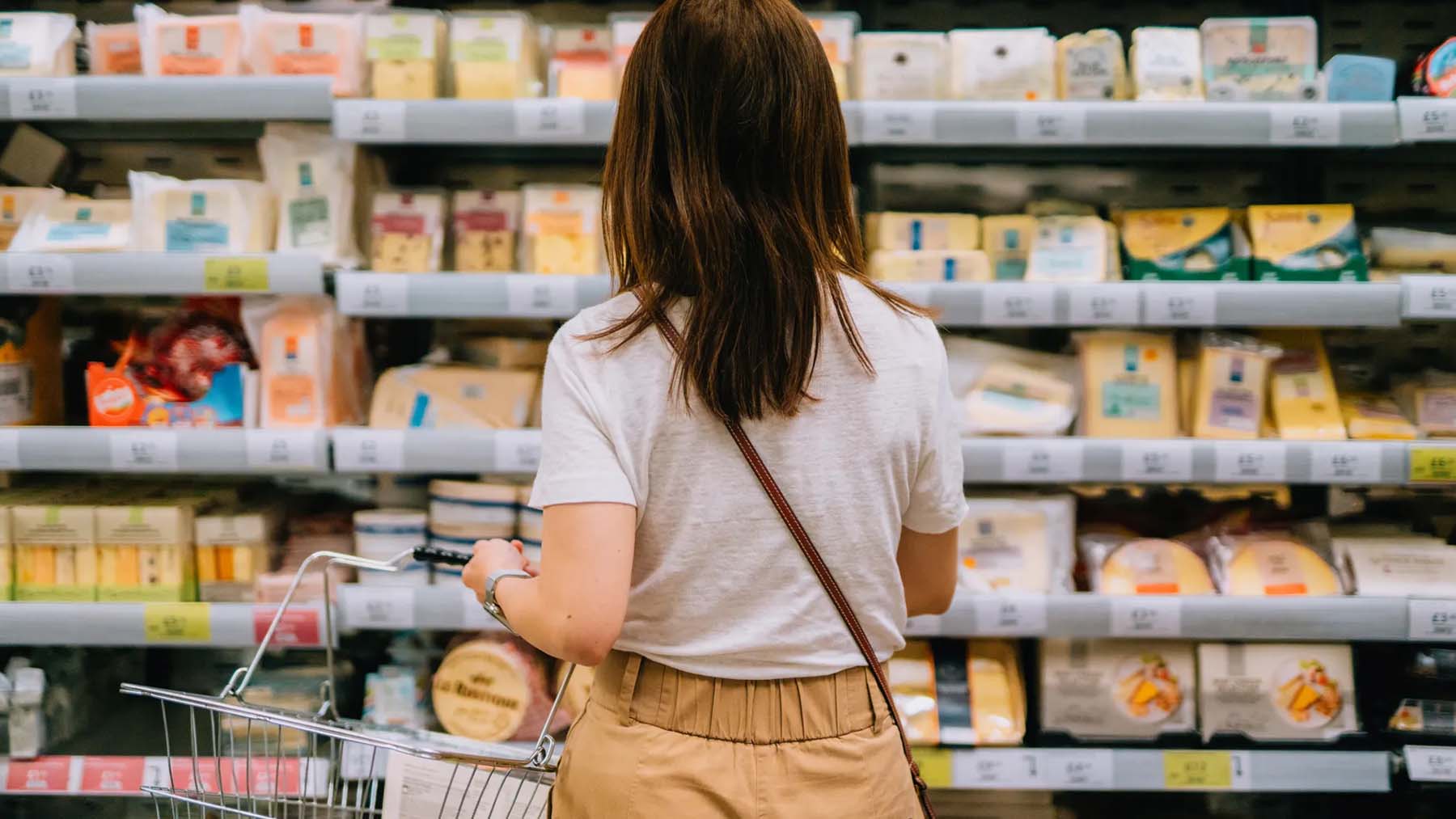
Arkansas no longer imposes state taxes on groceries as of January 1. Local taxes will still apply, though, so companies will need to modify their sales policies. Additionally, soft drinks, candies, alcohol, and prepared food are not classified as groceries in Arkansas and are subject to full state and local taxes.
Even though the state grocery tax has been eliminated, each county and city can set up its own local sales tax, which will still be applicable to purchases. The total rate in Little Rock is 8.63%(6.5% for the state base, 1% for Pulaski County, and around 1.13% for the City of Little Rock).
A bag of apples can be exempt according to the new law, but since chocolate bars are classified as “candy,” they will be subject to full rates.
More states to join the initiative
The Arkansas initiative is a part of other similar efforts across the country; Illinois also passed a law prohibiting state taxes on groceries, which went into effect on January 1. Governor Pritzker signed the legislation, saying, “Even with inflation cooling off, every dollar counts, so I’m proud we’re doing what we can to make trips to the grocery store a little easier.” “It’s one more important part of lifting the burden on Illinois families.”
In 2025 groceries were subject to a reduced rate of 1% in Illinois; a rate that has dropped to 0% at the state level. Nevertheless, consumers in Illinois will still be required to pay taxes on prepared food, soft drinks, alcohol, and candy.
State-by-state list of grocery tax rates:
- Alabama: 3%
- Arkansas: 0% (previously 0.125%).
- Illinois: 0% (previously 1%).
- Missouri: 1.225%
- Mississippi: 5%
- Tennessee: 4%
- Utah: 1.75%
Eliminating a 1% tax could translate to annual savings of about $130 for a typical family of four that spends a little over $13,000 on groceries.
However, if local governments implement their own 1%, that 1% will not be completely eliminated statewide.
More than 150 Illinois communities decided to impose local grocery taxes in June, so a big number of people will continue to pay that amount.
What shoppers should know about grocery tax changes
Since January 1, Arkansas consumers pay less at the register for staple items like fruits, vegetables, and other qualifying foods because the state grocery tax has been eliminated. Soft drinks, candies, alcohol, and prepared food are all still subject to full-rate local taxes.
In order to comply with local regulations and the state exemption, businesses have to change their checkout systems.
On January 1, the change also started to make family budgets easier in Illinois, though actual results could vary by county or city because of local taxes. Depending on whether there is an additional local tax, the potential savings—for instance, roughly $130 annually for a family of four when a 1% tax is eliminated—will vary.
Arkansas goes from a very low state rate (0.125%) to 0% and Illinois from a reduced 1% rate, to 0%.
Rules might not be exactly the same in both places, but the main goal is to lower the price of a basic grocery basket without influencing local revenue decisions.