
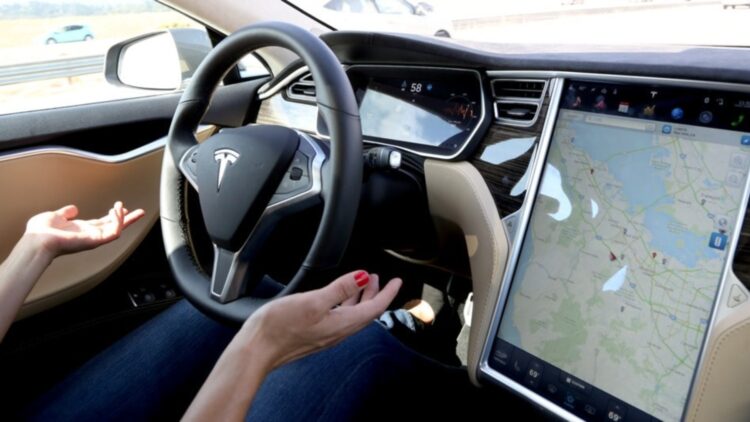
The California Department of Motor Vehicles (DMV) stated that Tesla violated state laws by using terms like “Autopilot” and “Full Self-Driving Capability” misleadingly in its marketing campaigns. Although a 30-day suspension of its manufacturing and sales licenses was initially proposed, the DMV has decided to temporarily suspend the marketing sanction and permanently cancel the manufacturing one, giving the company 60 days to correct its advertising messages.
The conflict highlights the gap between the brand’s technological promises and the actual capabilities of its assistance systems, which still require active human supervision and not autonomous driving as they claim to sell and have been promoting.
The DMV vs. Tesla on deceptive advertising
The legal controversy between the DMV and Tesla reached a critical point this Tuesday. The California DMV formally determined that Tesla violated current regulations by promoting its vehicles with capabilities they do not have. According to the official statement, the company is “in violation of state law for the misleading use of the terms ‘Autopilot’ and ‘Full Self-Driving Capability’ in the marketing of its electric vehicles.” This resolution is based on an investigation carried out on the advertising made by the automaker in May 2021, where it claimed autonomous driving capabilities that, according to the DMV, the vehicles “could not perform at the time of those announcements, and still cannot now” without human intervention.
Modified sanctions and the 60-day period
Initially, an administrative law judge proposed in July to suspend both Tesla’s manufacturing and dealership licenses for 30 days following the violation of the law. However, the DMV chose a more conciliatory approach: the manufacturing suspension has been permanently halted, and Tesla now has 60 days to revise its messaging. According to Steve Gordon, the DMV director, “Tesla can take simple steps to stop this decision and permanently resolve this issue—steps that autonomous vehicle companies and other car manufacturers have been able to achieve in California’s leading and supportive innovation market.
From “Autonomous Driving” to “Active Supervision”
Although it seemed to believe it was above the law, Tesla has begun to modify the language of its advertising campaigns under regulatory pressure. The term “Full Self-Driving Capability” that appeared on its website has been replaced with “Full Self-Driving (supervised),” although this last word usually appears in much smaller print. They currently describe their technology as “fully and intelligently performing precise driving maneuvers for you,” including lane changes and parking. However, they emphasize that these features “require active driver supervision and do not make the vehicle autonomous”.
Visual Discrepancies
Despite the textual warnings, the videos published on Tesla’s website sometimes contradict the need to keep hands on the wheel or even to be present in the vehicle, as is the case with the “smart summon” feature. Currently, these technologies are available in markets such as the U.S., Canada, China, Mexico, Puerto Rico, Australia, and New Zealand. Meanwhile, Tesla has avoided making official comments on the situation.
The launch of Tesla’s robotaxis has already taken place and it has been a total disaster. Find out more here!
Frequently asked questions
Why did the DMV sanction Tesla?
For violating state law by using terms like “Autopilot” and “Full Self-Driving Capability” in a misleading way, suggesting autonomy that their cars did not have in May 2021 and still do not have.
What is the current penalty for the company?
Tesla has 60 days to correct its advertising; otherwise, its sales license will be suspended for 30 days. The suspension of its manufacturing license has been permanently canceled.
What does the DMV require to resolve the conflict?
That Tesla stop promoting its systems as autonomous and clarify that they require “active supervision,” just as other manufacturers in the California market have done to comply with current regulations.