
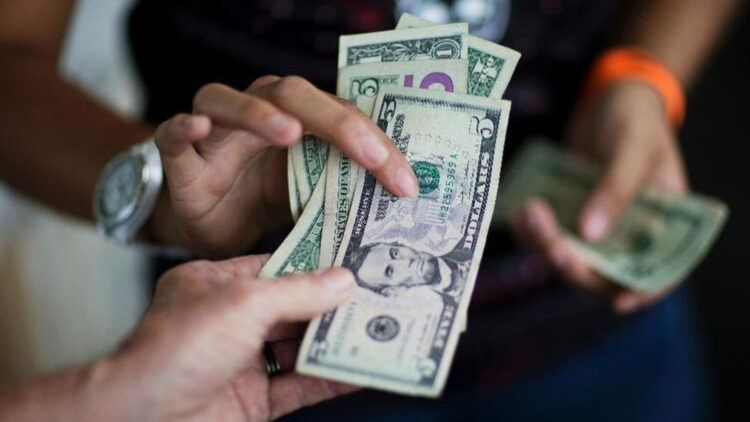
California is raisin the minimum wage once more in 2026, and it’s not the only state in the United States doing so. The federal minimum wage is still $7.25, and has not changed since 2009. Which is why, to make up for the situation, more than 20 states will increase their pay floors next year.
This is part of California’s solution for workers to modify pay annually and prevent wages from getting too far behind the actual costs while inflation keeps knocking on the door everyday.
The general minimum wage in California went up to $16.50 per hour on January 1, 2025. And although that figure is already bigger than most of other states, it will increase once more at the beginning of 2026.
How California’s 2026 minimum wage is decided
No state can choose a new number randomly. The Department of Finance is asked by state law to determine a potential annual increase based on inflation. But what exactly is inflation? A general and sustained rise in prices for goods and services in an economy over time, reducing too the purchasing power of the whole country.
The minimum wage, on the other hand, is suppose to fit that, and make it possible for people to pay those prices.
The rule says that the state minimum wage should rise by up to 3.5 percent per year, or by the difference in percentage between the Consumer Price Index for Urban Wage Earners and Clerical Workers (CPI-W)—comparing figures from the year before and the present one. Price changes for typical working households are tracked by a program known as CPI-W. California compares the two numbers and chooses the lower one—as long as the result is not negative.
The Department of Finance decided that the minimum wage increase for 2026 will be $16.90 per hour. It will take effect in the 1st of January, 2026 automatically for most workers covered by state law, and will become the standard that employers will have follow.
Who earns the new minimum, and who earns more
In California, some industries already pay higher because they are subject to different regulations. Fast food employees, for example, are guaranteed a higher wage of $20 per hour. Special minimums that surpass the general state level also apply to some health care workers. Additionally, a number of counties and cities establish local minimum wages that are higher than the state minimum.
This means that an employee’s salary can change depending on where they live and what type of work they do. Someone having the same job in a smaller town could make less than someone in a big city.
California is not the only state making wage adjustments. For 2026, more than 20 states are trying to raise the minimum wage. Alaska, Arizona, Colorado, Connecticut, South Dakota, Florida, Hawaii, Maine, Michigan, Minnesota, Missouri, Montana, Nebraska, New Jersey, New York, Ohio, Oregon, Rhode Island, Vermont, Virginia, Washington, and California itself are some of these states. Depending on local laws, their new rates will start on January 1, 2026, or later that year.
What this means for workers in 2026
A raise that is linked to inflation is designed to ensure that basic expenses are still covered by a paycheck even if prices rise. Businesses have to plan for these changes too, because labor costs account are a huge portion of their budgets.
The minimum wage can continue to change along with inflation as long as this keeps going up as well. However, the fact that so many other states have planned raises for 2026 shows that the discussion about wages is a general point of conversation in the U.S. Is it finally time to agree on a new Federal Minimum wage according to the real costs of living?