The state of New Hampshire is preparing to implement digital driver’s licenses and identification cards by 2026. With an investment of around $2 million, this project aims to integrate legal identification into mobile devices, making verification processes faster for law enforcement and users. Although federal regulations still require rigorous standardized theoretical and practical exams that have been in place since the late 1950s, this state initiative responds to the global trend toward digitalization, offering advanced security layers such as biometrics and encryption, aligning with systems that have already begun to be accepted by agencies like the TSA and various commercial entities.
The importance of the driver’s license
Beyond being a simple permit to be able to use a vehicle, driver’s licenses have become the cornerstone of road safety and civil identification worldwide. In the United States, driving without this document is a legal violation that carries severe penalties, ranging from fines and vehicle impoundment to criminal charges in the most serious cases. These licenses not only certify that the holder understands traffic rules by having passed the required exams, but they are also essential tools in other situations such as banking procedures, hotel bookings, domestic flights, or accountability in accidents.
Despite their importance, the truth is that in an increasingly globalized world, the physical format seems to be becoming more and more obsolete. It is common for them to be lost or forgotten at home, leading to replacement processes. That is why the state of New Hampshire has put on the table the option of implementing the electronic version of the ID, accessible from a smartphone.
Document digitization in New Hampshire
This new measure, which aims to digitalize driver’s licenses, has been promoted by Senator Tim Lang, who stated, “This is a forward-looking bill that is preparing for the future. The TSA has already started accepting digital IDs, other states have adopted digital IDs, and businesses are starting to accept digital IDs for identification and age verification.”.
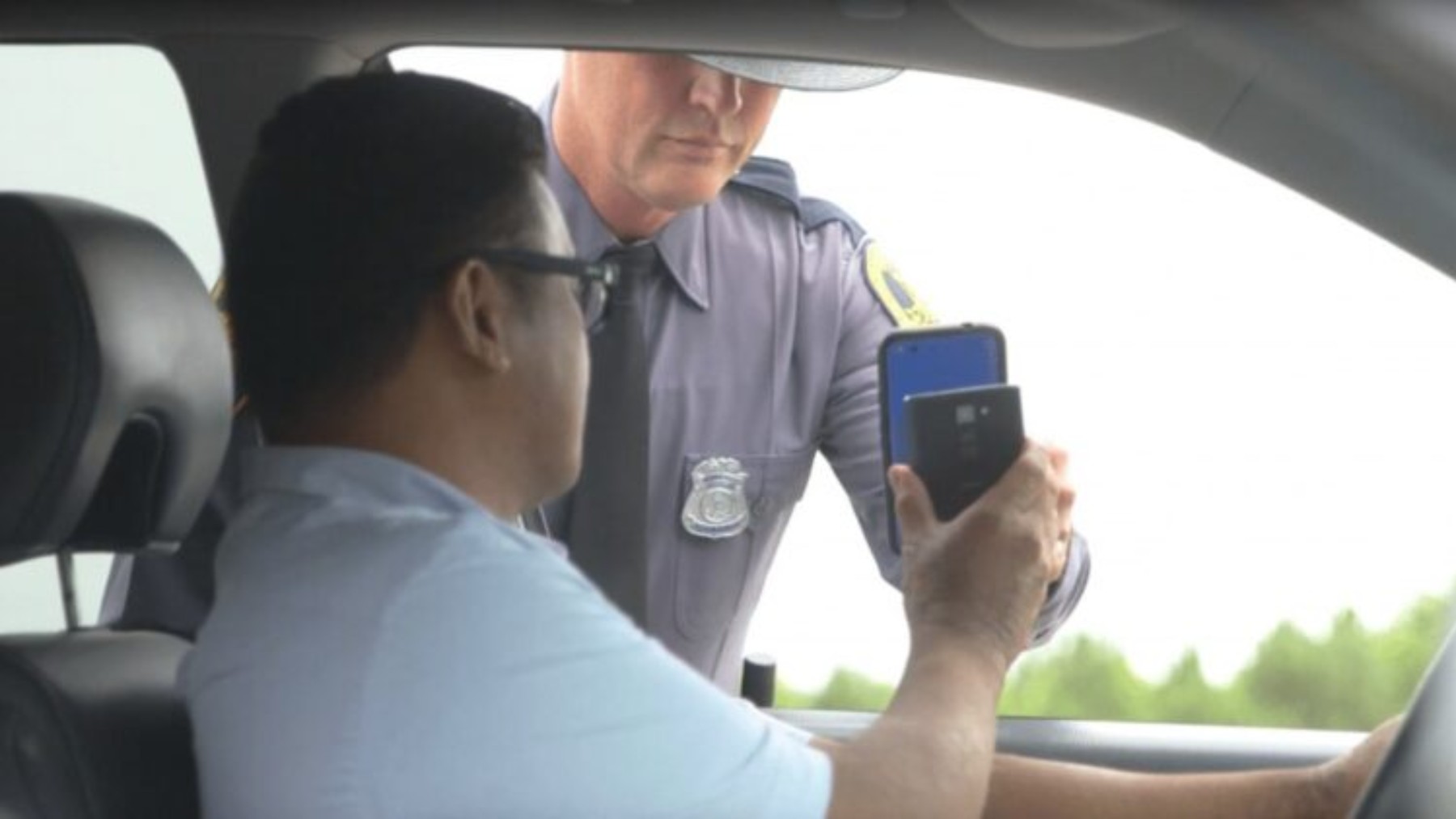
With this project, the goal is for both licenses and non-driver IDs to be stored on smartphones, in the same way we store credit cards in systems like Apple Wallet. It is not just about greater convenience for traffic officers, but also for drivers, as it would streamline the identification process and reduce wait times. With a budget of 2 million dollars, to develop, launch, and maintain the necessary technological infrastructure for this project, it is expected to be operational by 2026.
Other states have moved ahead
New Hampshire has decided to invest in technology and the advantages it brings, such as robust registration, biometric controls, and the most advanced security features that make theft or forgery of these documents more difficult. This state is not the first to bet on the digitization of documentation, although in other states drivers are still required to carry a physical license, since the infrastructure for the initiative is not yet fully complete.
Frequently asked questions
When will the digital license be implemented in New Hampshire and how much will it cost?
The system is expected to be operational in 2026. The project has a budget of approximately $2 million aimed at developing, launching, and maintaining the necessary technological infrastructure.
What security advantages does the digital format offer compared to the physical one?
Unlike traditional plastic, the electronic version has advanced security layers such as robust encryption and biometric controls. These features make theft or forgery of the document much more difficult.
Which entities already accept this type of digital identification?
According to Senator Tim Lang, agencies like the TSA have already begun accepting digital IDs. Additionally, other states have already adopted the system, and various businesses accept them to verify customer identity and age.