
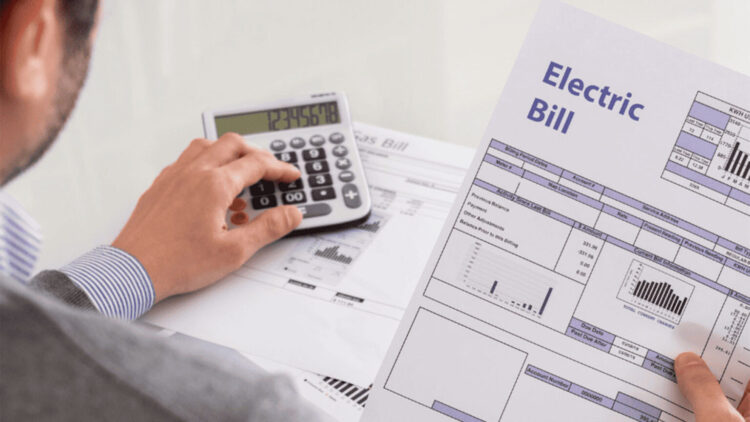
Lighting is a key factor when it comes to reducing bills, because it can consume up to 15% of your home’s electricity. Old incandescent bulbs waste a lot of energy as heat if you’re still using them. Your annual power bill can be reduced by about $225 by replacing them with LEDs.
The $6 lightbulb swap that saves $225 a year
Lighting is important because it can consume 15% or more of your home’s electricity. Old incandescent light bulbs waste a lot of energy as heat. By replacing them with LEDs, you can reduce your annual electricity costs by about $225.
Amazon is selling a four-pack of Sylvania LED 60W bulbs for $6.38. “These bulbs are a great energy-saving replacement for old incandescent bulbs because they have a total lifespan of up to 11,000 hours,” the product description says, adding that, “You won’t need to constantly change your light bulbs anymore.”
For the same amount of light, LEDs require a lot less electricity. They “can save you up to 85% on your energy bill,” according to the description.
More home hacks and state help to lower your bill
Lightbulbs aren’t the only way to save. Here are a few more simple steps:
-
Tackle “standby” power. Certain devices, like computers and TVs, never completely shut off. They can consume 5–10% of your home’s energy, or about $100 annually, even when you’re not using them. When they are idle, the power is cut off by plugging them into smart power strips. You can also use a simple strip with an on/off switch that you adjust yourself.
-
Keep up with maintenance. Annual inspection improves the efficiency of your HVAC system and appliances. This means washing refrigerator coils at least once a year and changing air filters on a regular basis. Another way to cut down on energy waste is to keep the refrigerator away from heat sources like the oven.
-
Consider an energy audit. Home energy audits, which identify areas of your home where energy is being lost—for instance, due to poor window seals—are sometimes provided by utility companies. While some audits are free, others range in price from $100 to $1,650. Energy Harbor also offers a do-it-yourself test that involves closing all doors and windows on a windy day, lighting an incense stick, and passing your windows. If the smoke moves, your heating or cooling system is escaping and air is leaking in or out.
-
Use your thermostat wisely. You can reduce your annual heating and cooling expenses by about 10% if you set your thermostat to 7–10 degrees (down in the winter, up in the summer) for eight hours while you’re asleep or away.
For those with lower incomes, certain states offer energy bill relief credits:
-
Michigan: If a customer’s income falls below 100% of the federal poverty line, they may automatically receive a $250 credit from Consumer Energy.
-
North Dakota: Depending on household size and income, LIHEAP can provide residents with heating assistance ranging from $6 to $1,100 between October 1 and May 31.
-
Tennessee: In all 95 counties, the Tennessee Housing Development Agency (THDA) provides LIHEAP benefits, that go from $174 to $750.
Small changes, real money
These tips show that lowering your electric bill doesn’t need to be that complicated.
Saving $225 on lighting, about $100 on standby power, and about 10% on heating and cooling could significantly lower the average person’s annual electricity expenditure of $1,700.