Winter is already here, and with it, as every year around this time, come the coldest days of the year, a period that is especially delicate for driving our cars. That is why around these dates is a good time to remind drivers of a series of tips to prepare cars for winter.
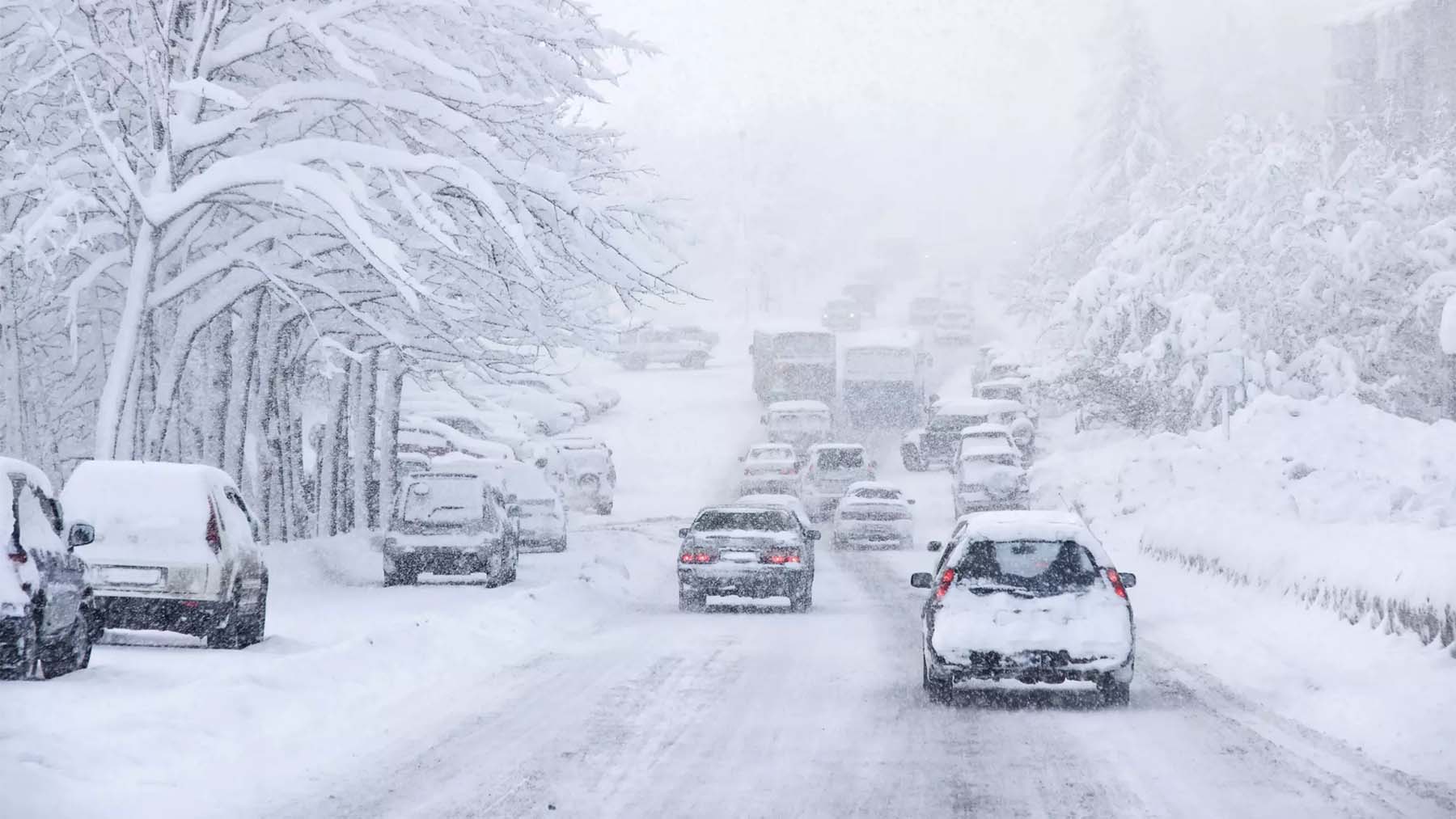
It’s nice to see the snow, except when it’s piling up on your car, that can quickly turn into a very annoying situation, like finding your car frozen after an entire night out on the street.
If you live in an inland or mountainous area and don’t have a garage to store your vehicle, this is probably more frequent in your daily life; however, when you live in a large city, it might not be as common.
In Europe, severe storms, like the famous Filomena that hit Spain a few years ago, left people thinking about the best vehicles for driving in the snow, and learning how to deal with very large amounts of snow and ice covering your car in the mornings.
In the United States, this is more prevalent in states like New York, Massachusetts, Wisconsin, Minnesota, Utah, and Montana. If you don’t pay attention to your car, you could end up with a blocked exhaust that puts you at risk for carbon monoxide poisoning, engine strain in extremely cold temperatures, battery failure, thickened oil that prevents proper lubrication at startup, and frozen sensors.
How cold ruins your car engine
It is usual to start our car while it is parked on the street after a few days of snow and ice, or right after a very cold night in the early morning because life still goes on after a snowy day, but this can be a very delicate moment for any car.
This cold is one of the biggest threats to your car’s engine, especially if we start it in the wrong way. Why? Because internal combustion engines perform best at a specific temperature and the cold will only make them work harder.
For this reason, it is always necessary to wait for the engine to warm up before starting.
How to protect your car engine in cold and snowy weather
In order to make sure that you start the vehicle safely and carry out the necessary maintenance to protect the engine, it is important to pay attention to a number of warning signs especially on days like these:
- When starting, especially a diesel, be patient and turn on the ignition two or three times before waiting for the coil-shaped icon to disappear.
- Allow the oil to circulate and reach temperature by letting it warm up for a few minutes.
- Use coolant with antifreeze qualities; in extremely cold weather, stay away from the windshield washer, it could freeze (even if it shouldn’t).
- If your car runs on diesel, check the fuel and add antifreeze to keep it from freezing and protect the engine.
- Protect the battery by using the appropriate products or gently warming it with dry, warm cloths. Keep an eye out for warning signs.
- Use a compatible, multigrade, or less dense oil for better starting and lubrication.
You get cold in winter, your car does too
Especially if our vehicle has slept on the street, it will be much more sensitive and it will be harder to start the next day—you would too.
It’s completely normal, but if you want to protect it, you have to be patient and wait for the warming process to run its course.
Yes, you might have to wake up earlier that day, but it’s better to avoid damaging the starting system by forcing the start to heat up in a hurry.