
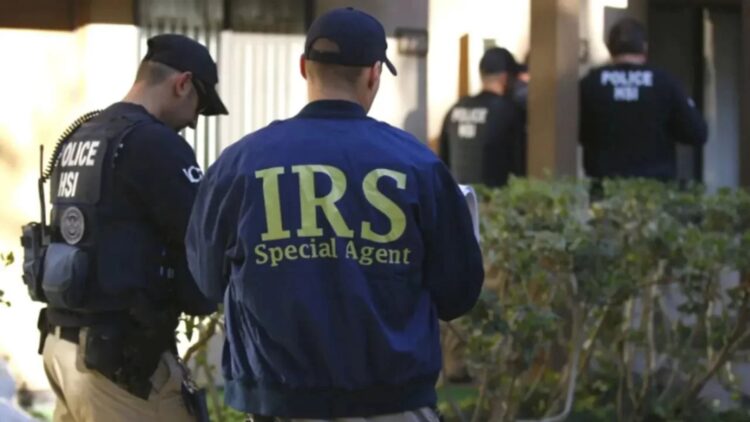
Dealing with the Internal Revenue Service (IRS) is not a pleasant activity, but it is part of Americans’ tax obligations. The common ways of contact are through mail, postal service, email, or online portals, but from now on, exceptions will be made. In order to enforce the law, all taxpayers who ignore Letter 725-B will receive an in-person visit from an IRS officer. The purpose of these visits is to reach people with unresolved tax issues and does not require immediate payment; instead, they are aimed at gathering pending documentation, clarifying issues, and establishing payment plans for taxpayers.
Taxpayers will be notified in advance about both the visit and the topics to be discussed. To ensure that the IRS officer visiting your home is legitimate, they must present an HSPD-12 identification card. However, if you have any doubts, get in touch with the agency.
IRS’s new visits
Interactions with the Internal Revenue Service (IRS) are conducted through postal mail, email, online portals, or by phone. However, with the intention of enforcing the law, this could change, actually turning IRS officials’ visits into in-person home visits. This situation would not occur ordinarily, but rather in cases where the agency needs to reach individuals who have unresolved tax issues, whether missing returns, discrepancies, unaddressed matters, or unpaid balances.
The problem is that it is common for taxpayers to ignore Letter 725-B, which serves as the official notice of the visit and outlines the reason for the contact and the details of the meeting. It is important to clarify that this letter is not optional, and failing to respond to it does not mean that the visit will not take place.
Why would I receive a visit from an IRS agent?
In no case will official IRS agents demand immediate payment during visits, and these visits will never be without prior notice. The agency clarifies that the mission of IRS agents is simple and straightforward: to gather outstanding documentation, clarify issues that remain unresolved, and readjust or establish payment plans with taxpayers who have outstanding debts. Before the meeting takes place, officials even provide detailed information about the documentation that will need to be gathered and the questions and topics that will be addressed. However, if the taxpayer does not want the visit to take place at their home, they can request a change of location.
Reliability of visits
It is true that the number of frauds and scams related to the IRS agency is increasing. That is why the agency warns that to verify the identity and legitimacy of the officers visiting your home, you should make sure they carry an HSPD-12 identification card with a photo and a serial number. If a supposed agent refuses to show their ID, demands immediate payment, or requests payment through cards, gift cards, cryptocurrencies, or unusual methods, it is almost certain that you are dealing with a scammer and not an IRS employee. If something seems off, the agency urges taxpayers to call 800-829-1040 to verify the situation.
Frequently asked questions
Why does the IRS visit taxpayers’ homes?
To gather outstanding documentation, clarify issues that remain unresolved, and readjust or establish payment plans with taxpayers who have outstanding debts.
How do I make sure that the person coming is an official IRS agent?
you should make sure they carry an HSPD-12 identification card with a photo and a serial number. If a supposed agent refuses to show their ID, demands immediate payment, or requests payment through cards, gift cards, cryptocurrencies, or unusual methods, it is almost certain that you are dealing with a scammer and not an IRS employee.
What is 725-B letter?
It’s the official notice of the visit and outlines the reason for the contact and the details of the meeting.