The German brewer Paulaner is planning to compete in the cola race with global giants like Pepsi and Coca-Cola by launching its own cola product in 2026.
The group’s CEO, Jörg Biebernick, recognizes that the company approaches the challenge on a much smaller scale than these global giants, but he claims that its research shows the new beverage will be well received.
Paulaner was established in Munich in 1634 and has a long history as a brewer, becoming one of the six breweries allowed to serve beer at the famous Oktoberfest.
Because customers are already conscious of the brand’s quality and are probably willing to try a new product because they trust the brand, launching a cola wouldn’t be the same as introducing a brand-new beverage out of nowhere.
Paulaner’s entry into the cola race
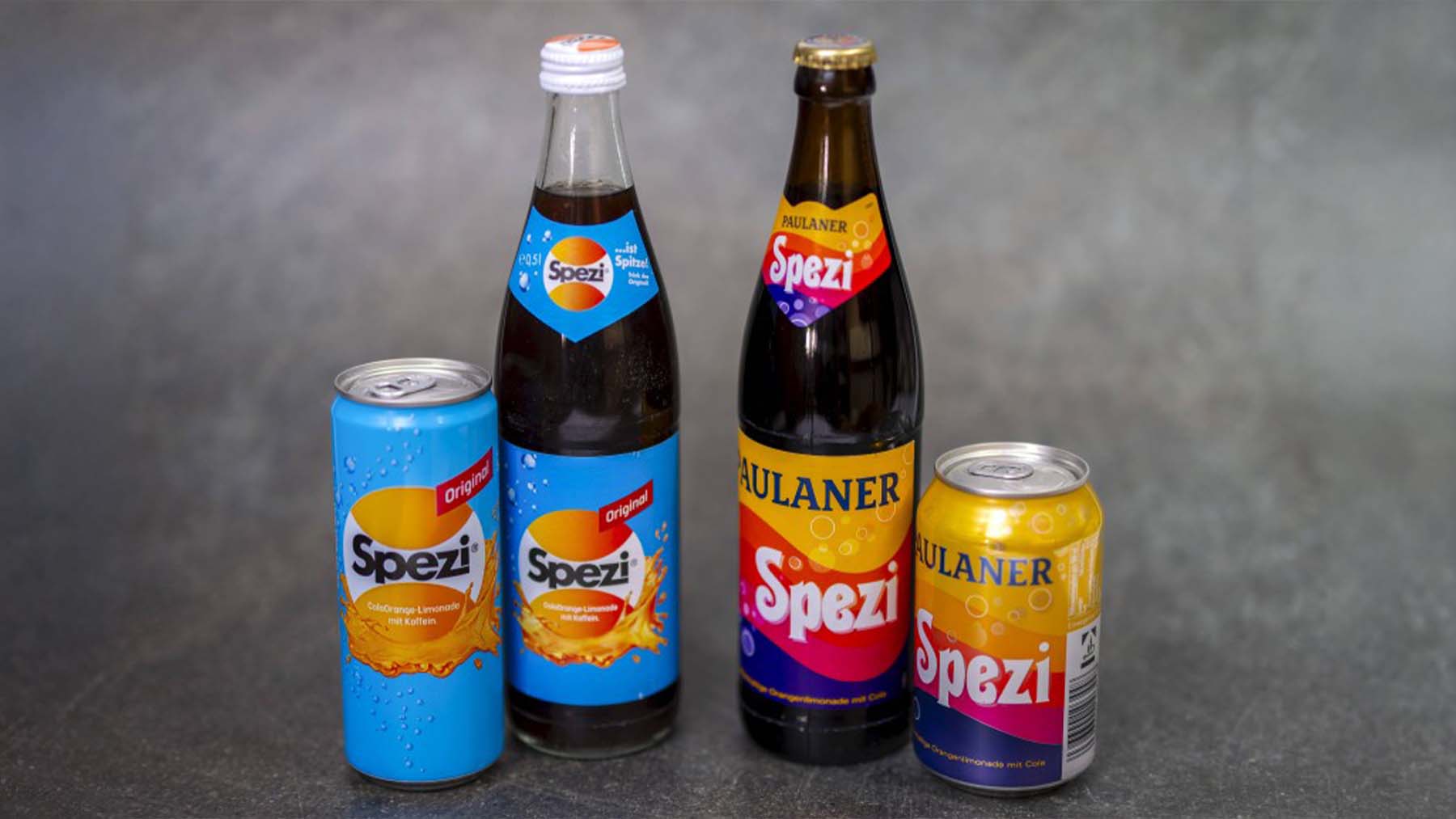
Paulaner Spezi is the motivation behind the decision. The cola-orange blend was first introduced in 1965, and Paulaner later transformed its own version into a cult favorite. The brand has seen yearly increases of 20% to 30%, and the company’s management claims that Spezi currently controls over 40% of the cola mix market.
According to Welt, the brand’s sales in 2024 showed around 212 million liters, confirming Paulaner’s leading position in the cola-mix market.
This is part of what makes the group so confident about entering the conventional cola market. However, the race is not going to be easy competing with the biggest brands in history:
- Coca-Cola started in 1886 and expanded thanks to its bottling system that solidified distribution and gained brand recognition over generations. The brand sold around 191 billion liters in 2024.
- Pepsi arrived a decade later (in 1898), and developed its own global presence through aggressive marketing and a wide product line. In 2024, 82 billion liters were sold.
Since cola is already known and loved by so many people, the workload for Paulaner might be less. They could have a better chance of creating a better taste or packaging, and targeting specific channels instead of trying to outspend rivals.
From beer strength to cola ambition
Biebernick emphasizes that Paulaner’s core business is strong, its beer is consumed in more than 80 countries—a major global reach for a “local” Bavarian brand.
The company has grown almost 10% in 2025, and the group maintained its dominance in the light beer market. This stability allows them to make new investments without compromising the company’s financial stability.
Approximately 80% of cola sales in Germany are currently made by Coca-Cola, with Pepsi and other brands following behind.
Paulaner, however, sees this as a long-term prospect for the family-owned business. They claim this would be a patient investment and recognize that its new beverage won’t capture a big market share in the near future.
The product development process took over six months of testing with many prototypes and suppliers.
But now the launch is ready, and the plan will be similar to the Spezi strategy. Television advertising is not planned; instead, outdoor campaigns and social media will be the primary channels for marketing. Initial batches of the cola will only be available in 0.33-liter bottles and cans, which will be supplied to eating establishments, retail stores, and bars.
Betting on long-term growth in cola
The company is betting on long-term share growth against a leader that controls about 80% of sales. They are stable enough to patiently wait and they know competing against Coca-Cola is not a done deal.
However, the brand is more than confident that the new flavor will break into the market successfully, just as Spezi has been working so far. They are not trying to rush it out. Their strategy is based on a slow and controlled launch.