Starting in January 2026, a strict regulation on vehicle headlight use will take effect in Pennsylvania, supported by Section 4302.0 – Title 75 of the Pennsylvania General Assembly. Its aim is to reduce traffic accidents by requiring drivers to use their vehicle lights in conditions of reduced visibility such as rain, snow, or fog, under penalty of a $100 fine under the headlight law. The regulation not only governs when headlights must be turned on but also the colors allowed (white and yellow), and prohibits the use of blue lights or tinted covers, reserving certain lighting privileges exclusively for authorized emergency personnel.
Section 4302.0 – Title 75 in the Pennsylvania General Assembly
With the arrival of the new year 2026, a legislative update related to vehicle lighting on the roads has been implemented in Pennsylvania. Under Section 4302.0 – Title 75 of the Pennsylvania General Assembly, local authorities aim to ensure that each driver contributes to collective visibility, especially when the environment becomes hazardous for driving.
The basic principle of this law is simple: if visibility decreases, drivers must turn on their vehicle headlights. In addition to doing so between sunset and sunrise, whenever weather conditions make visibility difficult—whether due to smoke, heavy fog, rain, or snow—drivers must activate their lighting system. Another key point of the law is that if windshield wipers are in operation because of the weather or if forward visibility drops below 1,000 feet, the use of headlights is mandatory.
Color standards
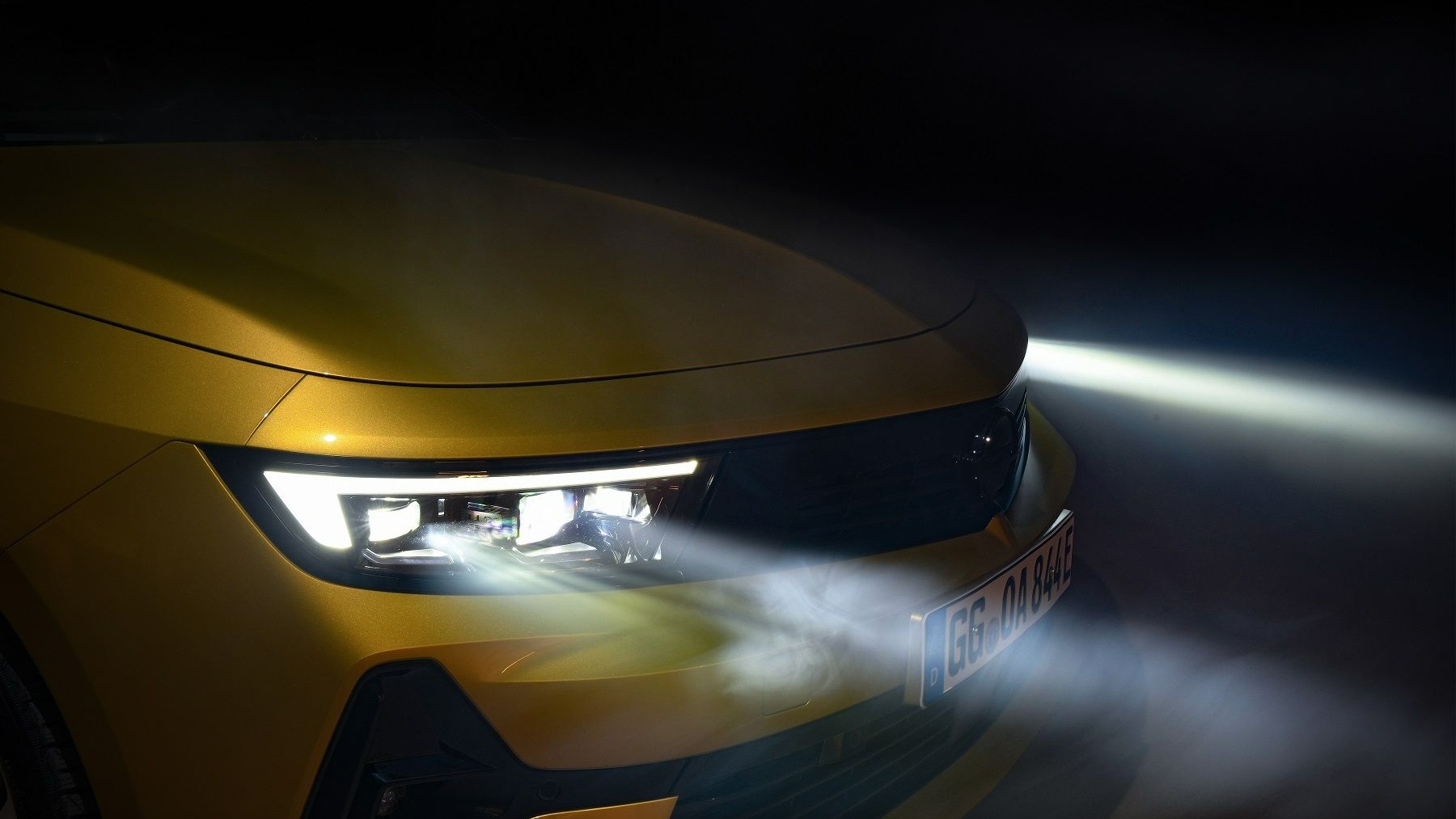
To avoid distractions or dangerous glare, Pennsylvania law is clear regarding permitted equipment: legal headlights must be standard white or yellow. Colored lights or those with excessive intensity that could blind other drivers, putting them in danger, are explicitly prohibited. Similarly, the use of tinted headlight covers is completely prohibited. Another aspect to consider is the use of blue lights, commonly associated with unregulated high-intensity discharge (HID) lamps. This color is reserved exclusively for emergency vehicles, although it may also be used by a volunteer firefighter, a volunteer search and rescue member, or a dog handler who manages trafficking cases, provided that the Pennsylvania State Police Board has been notified.
Penalties
Failure to comply with these rules, whether by not turning on the lights when required or by using unauthorized colors, will result in a citation from law enforcement, receiving a financial penalty under the headlight law of a $100 fine.
Frequently asked questions
When is it mandatory to turn on the headlights?
It is mandatory between sunset and sunrise, whenever windshield wipers are in use due to weather, or when visibility is less than 1,000 feet because of rain, snow, fog, or smoke.
What colors of lights are allowed?
The law only allows standard white or yellow headlights. It is prohibited to use lights of other colors, overly bright bulbs, or tinted headlight covers. The color blue is reserved exclusively for authorized emergency personnel.
What is the penalty for not complying with the law?
Failing to turn on your lights when required, or using unauthorized lighting equipment, carries a $100 fine under the headlight law, as established by Section 4302.0 – Title 75.