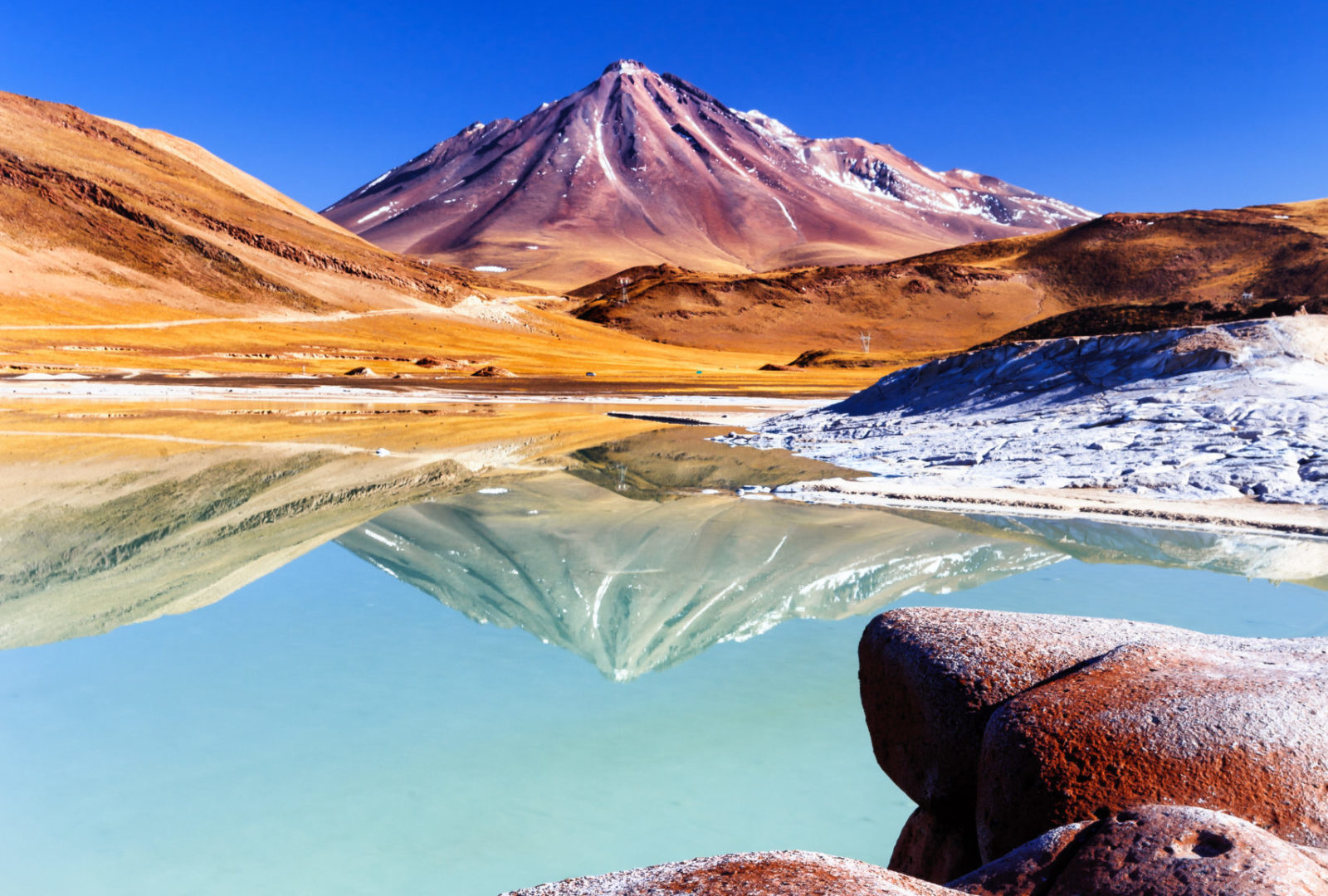
The Salar de Atacama, an enormous desert lake in northern Chile, sparkles with a white salt crust in the brightest sunlight on Earth. Lithium, sometimes referred to as “white gold,” is located underneath. There are around 7.5 million metric tons of lithium underneath. This place offers an opportunity to power the expanding electric age.
Clean energy that comes with environmental costs
Salar de Atacama and other desert lakes are more than just desolate salt flats. Concentrated lithium is stored in the saltwater that is trapped below the desert’s surface. After pumping it from below the surface and allowing it to evaporate into ponds, mining companies end up with lithium.
This is an efficient and cost-effective method of extracting white gold because of its very low precipitation and high evaporation.
But there is a cost associated with this extraction. Large volumes of water are needed to extract lithium-rich brine in one of the world’s driest regions, which puts pressure on regional ecosystems and Indigenous communities that rely on those limited resources.
For Chile and the rest of the world, making the white golds industry fair and sustainable continues to be a major challenge.
According to recent research, there are about 28.3 million tons of lithium in Chile’s salt flats, and 7.5 million of those tons are found in the Salar de Atacama. This enormous resource could supply a huge portion of the white gold needed for upcoming electric cars, power wall batteries, and grid batteries.
Lithium at the core of the global energy shift
The foundation of battery technology used in mobile devices, electric cars, and renewable energy storage is lithium.
The demand for white gold is skyrocketing because the world moves closer to decarbonization. This makes Chile a key player in this shift because of its enormous reserves beneath the Atacama Desert Lake.
Lithium extraction in the Salar de Atacama is relatively cheaper in comparison to many other locations because of the region’s topography and climate.
The hidden costs of “White Gold” in the Atacama Desert
This “white gold” isn’t free, though. The Atacama Desert has a shortage of water, and lithium extraction uses a lot of water.
The local population depends on the limited groundwater in the area, which is being threatened by pumping brine for extraction. Therefore, there are also major concerns because ecosystems, including their wildlife, like flamingos, are in danger, and wetlands and springs are under stress.
This conflict is social as well as environmental. Small towns and indigenous people in the Atacama fear that mining will destroy their ancestral lands and drain the water they rely on.
Critics argue that local communities will suffer as a consequence of the rush for lithium to supply the world’s green market.
Meanwhile, mining companies say that the production of lithium from these desert lakes is relatively “green” because it depends on solar evaporation (thanks to the intense sun in the Atacama), which uses less energy than more industrial mining operations.
Overall, reducing environmental risks will require careful and long-term response planning.
Lithium, justice, and the limits of a desert ecosystem
The desert lake Salar de Atacama contains 7.5 million tons of lithium, an essential resource for the electric era we live in today. However, the extraction of white gold puts nearby communities, ecosystems, and water at risk.
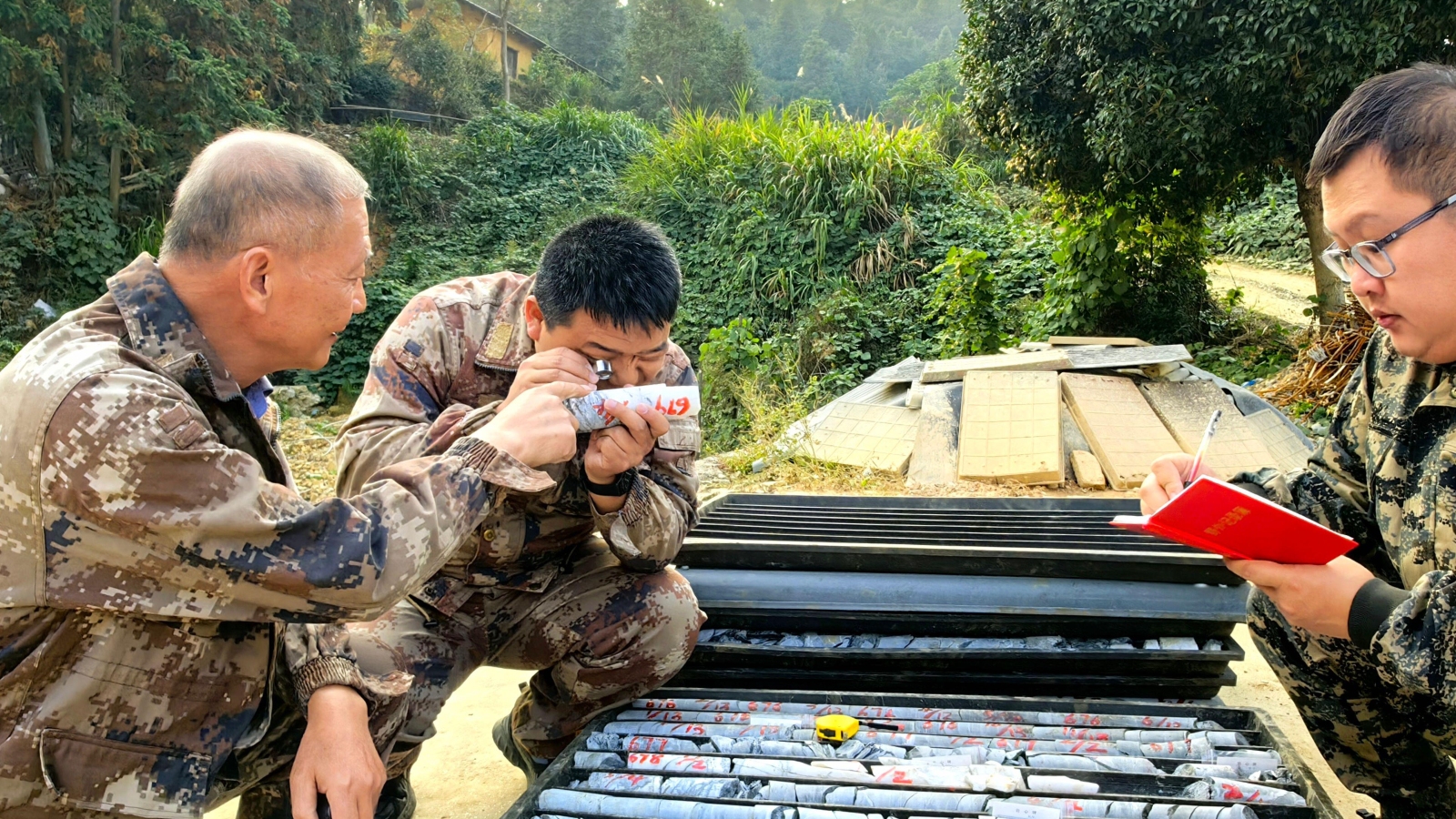
In China, they are living a similar experience too with the massive deposit of lithium near the Qiongjiagang Peak on the Qinghai-Tibet Plateau.
As technology advances and there is more pressure to extract, produce, and use clean energy, we also need justice and to protect fragile desert ecosystems and communities.
For the moment, while scientists and communities agree on a solution that could benefit both parties, other researchers are searching for ways to replace white gold so that less extraction is required.