
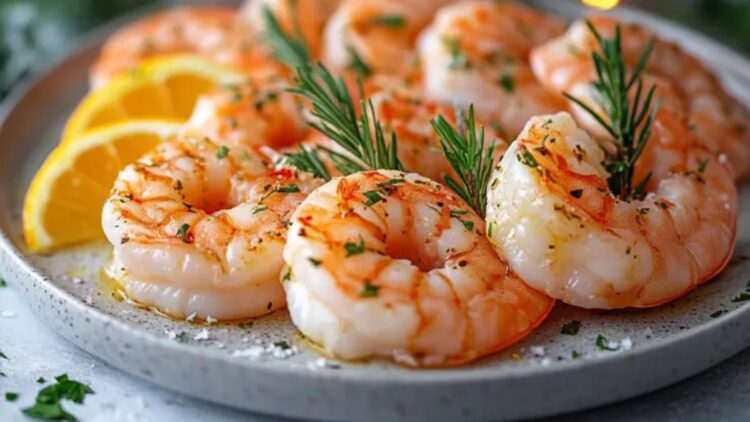
The Christmas holidays are already here, and that means numerous family dinners, with coworkers, and friends. If there is one thing these dates are known for, it is that we tend to eat (and drink) excessively, which can pose a risk to our health. That is why experts recommend paying attention to the foods that are prevalent during this time, especially shrimp. Despite how tasty it may be, we should be careful with the cooking to avoid contracting anisakis, control the quantity (especially for those with high cholesterol), and the amount of salt they usually contain.
Shrimp during holiday feasts
With the arrival of Christmas also come social commitments that translate into lunches and dinners. If there is one thing we do during the holiday season, it is spend money and eat, and the latter tends to be more enjoyable. However, there are dishes that often appear on holiday menus, and experts recommend that we pay attention to them so as not to ruin the festive season. They specifically mention seafood, especially prawns, which are usually present on almost every table. While they are delicious (for those who like them), they also have certain aspects that should be monitored.
One of these is cooking, because eating them undercooked or raw could expose us to Anisakis, an intestinal parasite that can cause digestive problems such as stomach pain, vomiting, or, in more severe cases, intestinal obstruction. Another important aspect is the amount of cholesterol they contain, so uncontrolled consumption can be harmful for people who suffer from high cholesterol. Additionally, not only prawns, but seafood in general, is usually eaten with high amounts of salt, which is also not advisable.
What can we do about it?
Regarding anisakis, experts recommend making sure that the prawns are well-cooked or have been frozen, which kills the parasite. As for the other mentioned aspects, they recommend consuming them in moderation and not as main courses, but as a side dish. They also advise not having dinner too late so that digestion isn’t heavy, thereby avoiding bloating and heartburn. They also suggest eating them in healthier ways, such as in salads or grilled, thus avoiding excess fat and salt.
Frequently asked questions
What is anisakis?
It is a parasite that can infect fish and cephalopods (since it lives in the sea), causing a disease called anisakiasis or severe allergic reactions in humans when consuming these foods raw or undercooked. It causes digestive symptoms such as abdominal pain, nausea, or vomiting, as well as allergic symptoms such as hives or even anaphylactic shock.
How can it be avoided?
It is important to ensure that the fish or seafood has been previously frozen or, if not, is well cooked.