
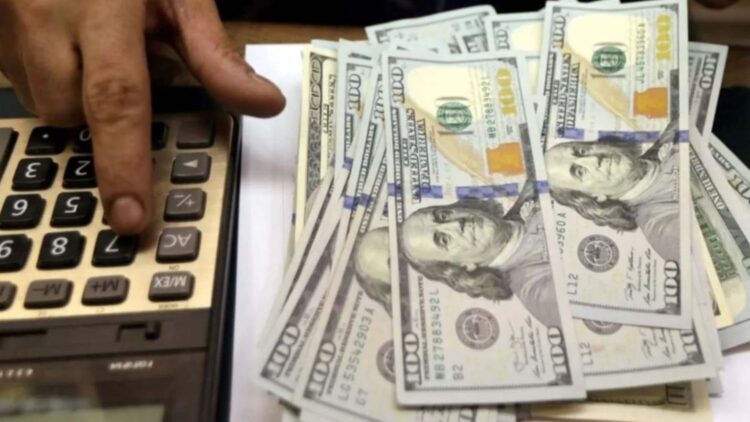
Millions of people working in the United States will see bigger checks in 2026 thanks to the new minimum wage laws. From January 1,2026, nineteen states and nearly 50 cities and counties are increasing the salary floors. For many homes, this will be a little push to start the new year with a little more strength.
Federal minimum wage remains at $7.25 since 2009, So many states and local governments have set their own rules. Today, thirty states and Washington DC already demand amounts higher than the federal level. With the cost of living putting and enormous pressure on family budgets, this raises are looking to give a bit a relief—and help to make end meet at the end of the month for those who are struggling.
Furthermore, throughout 2026, more states will be applying this changes and accelerating the adjustment where everyday life is more expensive.
2026 increases: Who, when and how much
On January 1, 2026, increases will be effective in 19 states and 49 local jurisdictions. In 60 of those places—12 states and 48 localities—the minimum will reach or exceed $15 per hour, more than a decade after the start of “Fight for $15”.
According to the National Employment Law Project (NELP), Many local increases are concentrated near high-cost areas in California. These are the state figures in force on January 1, 2026:
- Arizona ($15.15)
- California ($16.90),
- Colorado ($15.16)
- Connecticut ($16.94)
- Hawaii ($16.00)
- Maine ($15.10)
- Michigan ($13.73)
- Minnesota ($11.41)
- Missouri ($15.00)
- Montana ($10.85)
- Nebraska ($15.00)
- New Jersey ($15.92)
- New York ($17.00 en NYC y Long Island, y $16.00 upstate)
- Ohio ($11.00)
- Rhode Island ($16.00)
- South Dakota ($11.85)
- Vermont ($14.42)
- Virginia ($12.77)
- Washington ($17.13)
Later in 2026 there will be new adjustments: Alaska ($14.00 from July 1, 2026), California (health care workers) with minimums between $19.28 and $25.00 depending on the type of establishment (July 1, 2026), Florida ($15.00 from September 30, 2026) and Oregon with amount to be defined according to inflation (July 1, 2026).
In total, 88 Jurisdictions—22 states and 66 cities and counties—will increase their minimums at some point in the year, according to NELP.
Why does the minimum wage exists?
The Federal wage was invented in 1938 by the Fair Labor Standards Act, in the middle of the Great Depression, to stabilize the economy and protect the working class. Back then, the first wage was 25 cents per hour, which overtime went up until reaching $7.25, in 2009—and staying that way.
This norms are made to ensure a standard life basic and avoid people getting pay extremely low salaries. In addition to stimulating consumption by making the purchasing power of those who earn less, stronger.
In some states they are automatically adjusted to inflation; in others, they follow multi-year calendars set by laws or initiatives approved at the polls. There are also proposals in Congress to raise the federal minimum, like the senators from Missouri and Vermont did by presenting a bipartisan project in June to bring it to $15 per hour.
Recent cases help to understand the impact: Alaska applied an increase of $1.09 to $13 for almost 20,000 people; in Oregon, more than 801,700 workers saw the minimum rise to $15.05, which implies an additional $420 per year; and in Washington DC, an automatic adjustment of 45 cents raised the floor to $17.95 for about 62,200 people.
Minimum wage—or a fair minimum?
Many studies associate minimum wage increases with lower food insecurity, better ability to buy nutritious food and reduced poverty.
Wage floors are rising, and 2026 will expand that trend. With nineteen states and dozens of jurisdictions moving on January 1—and more increases during the year—millions will notice the difference in their payroll.
In the words of Yannet Lathrop, senior researcher and policy analyst at NELP: “Policies increasing the minimum wage have been a lifeline for underpaid workers who have been the most impacted by a growing affordability crisis.”
The numbers reflect the huge gap between the minimum wage and the reality of many Americans.