One of the many new laws in Tennessee that will take effect in 2026 is a new traffic law designed to guarantee the safety of cyclists and drivers on the roads.
In order to improve communication between drivers and cyclists, SB1420 requires new drivers to learn the hand signals used by cyclists as of January 1, 2026.
Teaching drivers to read cyclists’ hand signals
“Driving out on the roads is quite dangerous, especially in certain areas with traffic and without bike lanes or shoulders,” cyclist Tommy Diller said. Left and right turns, slowing down or stopping, are among the signals.
What are the signal gestures? Here are a few examples:
- Left-hand turn: Left arm stuck straight out
- Right-hand turn: Right arm stuck straight out or left hand extended up
- Slowing down or stopping: Extending the arm downwards
“Those are some of the signals that we can kind of communicate with cars that, hey, we’re moving out. We’re moving this way, we’re moving this way, we’re coming to the stop. So, they can kind of know what we’re doing, since we don’t have a brake light,” Diller remarked.
Road communication is becoming critical
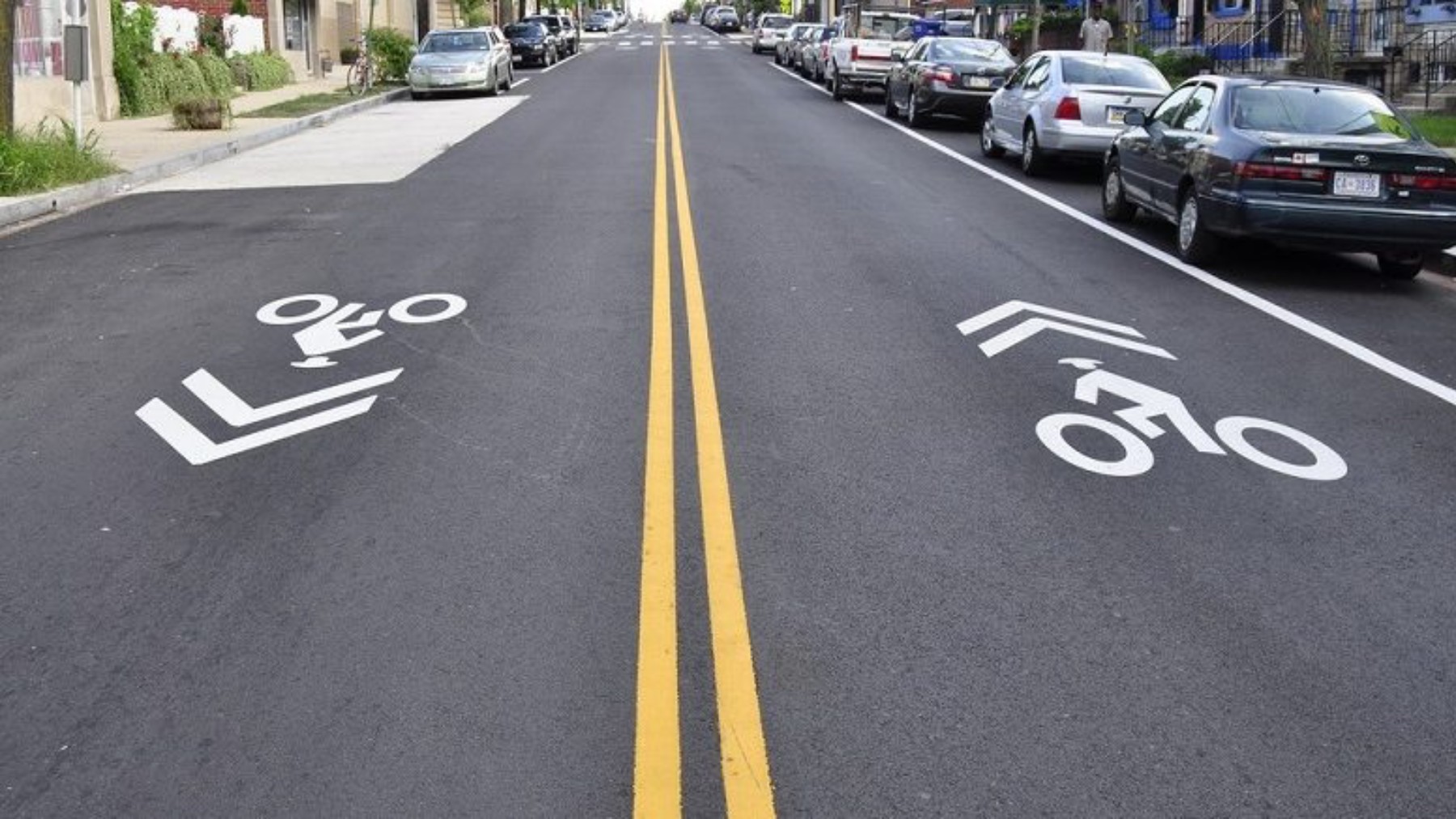
The new rule is meant to improve drivers’ ability to anticipate a cyclist’s movements and reduce traffic confusion. Unlike cars and motorcycles, bicycles do not have brake lights or turn signals, which can make it harder for drivers to figure out a cyclist’s intentions.
According to Chattanooga Police data, there was a 19.5% increase in pedestrian struck incidents between 2024 and 2025. Fifty-five cyclists were hit in Chattanooga in 2025.
Experts in transportation safety observe that collisions involving cyclists often happen during turns or at intersections when drivers miss a cyclist’s next move. Since many drivers are unaware that cyclists have to play by many of the same traffic laws as motor vehicles, education has become a major priority.
By teaching hand signals in driver education classes, new drivers are exposed to this knowledge before they begin driving a vehicle on their own.
Although bicycle hand signals are already included in driver manuals in a number of other states, Tennessee’s law formalizes the requirement as part of new driver education.
This step is quite important, according to advocates, because more and more people choose cycling for recreation, exercise, and transportation. Why? Well, there are a few reasons, including rising fuel prices, environmental concerns, and adopting healthier lifestyles.
Clearer communication means fewer bicycle crashes
“I’ve had friends of mine actually hit by vehicles out on the roads. So anytime I hear it, it makes me pause. So, anything we could do to improve that and improve safety, and so we can share the road with other vehicles, is great,” Diller stated.
Officials point out that the law increases driver awareness without imposing new obligations on cyclists. In places where bicycles are popular, drivers are still expected to give cyclists enough space, stop when necessary, and stay vigilant.
According to the Tennessee Highway Patrol, a bicycle is considered a vehicle for legal purposes, which means that bicyclists are entitled to all rights on the road. However, cyclists, just like bikers, have no shield around them (as car drivers do), making a bigger risk of serious injury or death.
The law’s supporters think that over time, improved education can contribute to fewer accidents, injuries, and fatalities.
SB1420 is part of a larger effort to update traffic laws and review traffic safety measures. Understanding how different people communicate is becoming essential since there are more shared roads and mixed traffic every day in the U.S. Lawmakers hope this will help make Tennessee’s roads safer for drivers, cyclists, and pedestrians.