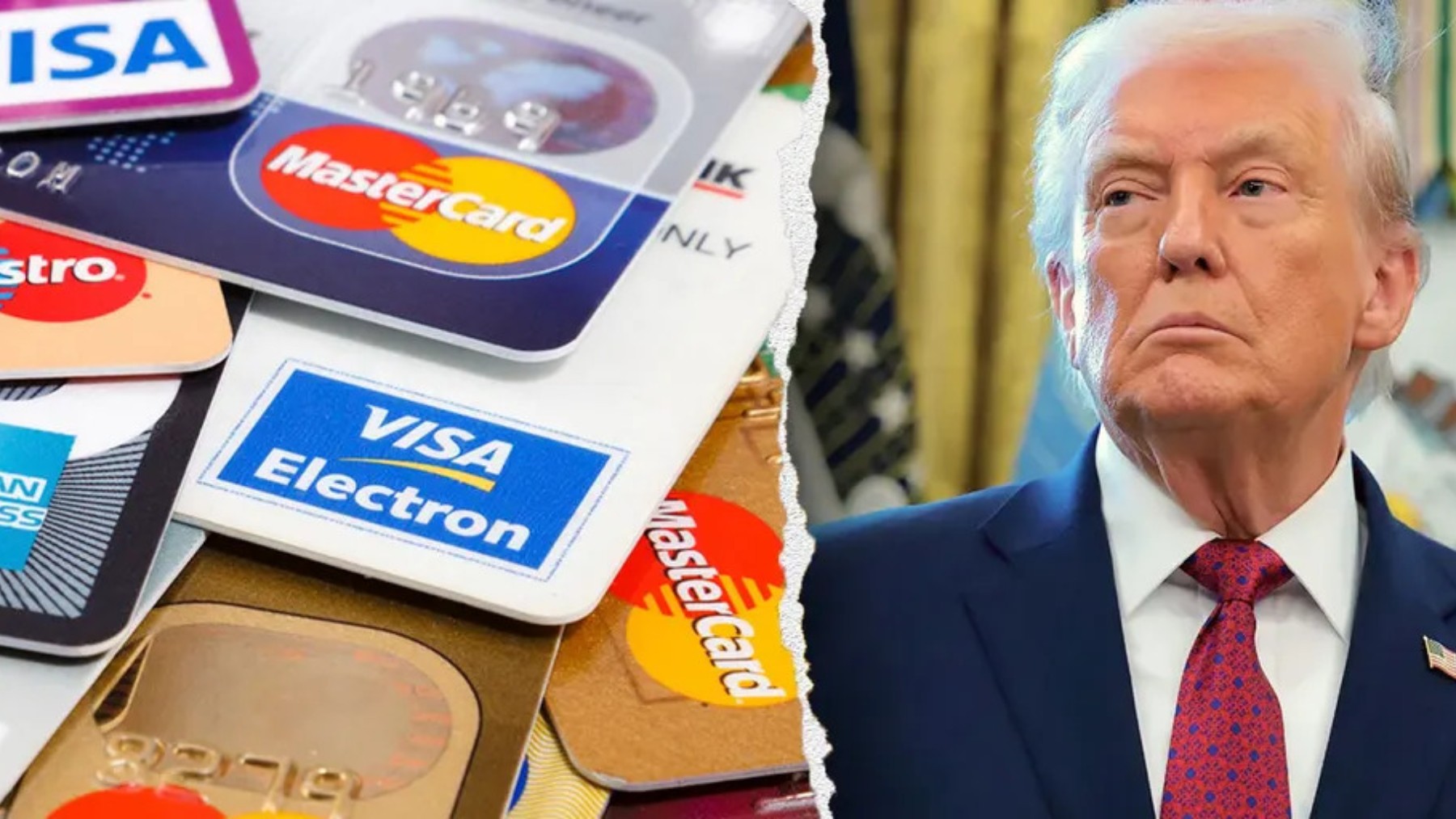
The administration of Donald Trump has put forward a new proposal aiming to cap credit card interest rates in the United States at 10%. The measure, which is set to take effect on January 20, 2026, seeks to ease the financial burden on the working class and Latino communities against current rates that exceed 25%. While the government argues for the need to redistribute liquidity toward basic consumption, the banking sector is more realistic and warns of a potential credit restriction and the emergence of new maintenance fees to offset losses.
10% cap on bank interest rates
Last Friday, President Donald Trump announced a new proposal that could change the delicate economic landscape in which the United States finds itself. This initiative aims to intervene in the consumer market by implementing a federal cap of 10% on the annual interest applied to credit cards. According to Reuters, this initiative would have a duration of one year and is presented as a ‘high-impact’ strategy to combat the economic crisis of households, especially in vulnerable sectors such as the working class and immigrants. Currently, the average interest rate exceeds 25% per year, a figure never reached before.
According to analyses, the Latino population is the most affected, as they claim they rely on these loans to cover medical emergencies or to support family microbusinesses. Let’s take an example with numbers: if you owe $5,000, with the current 25% interest rate, you would accumulate a debt of about $1,200 just in interest. With the proposed 10%, the debt would be reduced to $500. The government argues that bank profit margins have grown “disproportionately” compared to wages, thus justifying the need to force a debt restructuring.
Response from the banks
As expected, financial institutions have spoken out on the matter. They have described the measure as an “artificial limit” that could backfire on consumers themselves. On one hand, they will face a credit restriction, as to avoid these losses, banks might tighten their requirements, leaving out many people who would then be forced to turn to informal lenders. Additionally, experts warn that banks will look for alternative ways to recover their income through higher annual fees, harsher late payment charges, and the elimination of cashback or reward programs currently enjoyed by millions of users.
When will it come into effect?
Although the Trump administration claims that this new measure will come into effect on January 20, 2026, the truth is that it requires backing from Congress, so a battle between those in favor and those who consider it a populist and insufficient measure is not ruled out. Given this scenario, analysts advise users not to spend thinking that the interest will be lower, as it is still not certain.
Frequently asked questions
When would the 10% cap start to apply?
The planned date is January 20, 2026, although it still needs to be approved by Congress. For now, it is just a proposal and it is not certain that it will be implemented.
Why do banks oppose this measure?
They warn that, to compensate for losses, they might tighten the requirements for issuing cards, raise annual fees, and eliminate benefits programs such as points or cashback.
What is the real savings for an average user?
If someone owes $5,000, they would go from paying $1,200 annually in interest to just $500. This directly frees up money for basic expenses such as healthcare, housing, or food.