
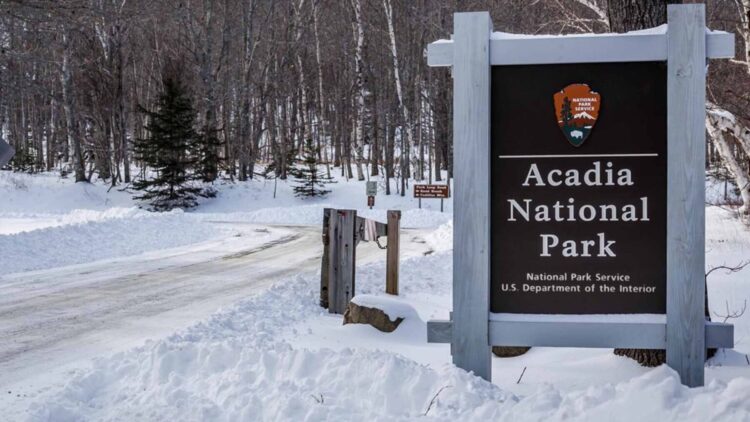
The Trump administration is changing free admission to national parks in the United States. Beginning in 2026, the fee-free calendar will add new dates while removing others. Juneteenth and Martin Luther King Jr. Day, are being taken off the list. Instead, the Department of the Interior is designating several of the new dates as “resident-only patriotic fee-free days” and including Trump’s birthday, which falls on Flag Day in June.
These no-charge days used to be accessible to everyone, but now the government is stating that the fee waivers will “only apply to US U.S. citizens and residents.”
What’s changing in 2026
The Interior Department’s updated schedule states that the following days will be no-charge at national parks in 2026:
- President’s Day in February
- Memorial Day in May
- Flag Day/Trump’s birthday in June
- Independence Day weekend in July
- The 110th Birthday of the National Park Service in August
- Constitution Day in September
- Theodore Roosevelt’s birthday in October
- Veteran’s Day in November
There are two notable removals:
- Martin Luther King Jr. Day is no longer listed.
- Juneteenth, the holiday that commemorates the abolition of slavery for lots of enslaved people living in the United States has also been eliminated.
Certain park-specific celebration days are also gone. The 2026 free-entry schedule no longer includes National Public Lands Day in September and the Great American Outdoors Act anniversary in August. The first day of National Park Week in April, which used to be a free day as well, is also missing.
The newly chosen dates for 2026 have been designated “resident-only patriotic fee-free days” by the Interior Department.
Who can enter for free — and who can’t
Fee-free days were intended to make the parks accessible to all visitors, including those from abroad, in prior years. “Free admission would be offered to everyone” on those special days, according to a 2025 announcement on the National Park Service website.
However, the Park Service clarified that entrance fee-free days will “only apply to US citizens and residents” in a subsequent announcement describing the 2026 policy. This means that even on days when Americans and residents of the United States can enter for free, foreign visitors will still need to pay admission fees.
New annual pass prices for nonresidents were also announced by the Interior Department, under the direction of Secretary Doug Burgum. According to these modifications, foreign visitors will pay more to access the same public lands, while U.S. citizens and residents will likely receive more targeted benefits.
A wider pattern of cultural and historical changes
The National Park Service came under attack earlier this year for deleting information about Harriet Tubman and the Underground Railroad from its website. Later, in April, that content became available again.
Other federal agencies made comparable adjustments at about the same time. According to the article, the Defense Department’s website has deleted pages detailing the military service of Jackie Robinson, the baseball player who broke Major League Baseball’s color barrier.
These choices were made as part of the administration’s larger initiative to target content that officials believed to be associated with DEI, or diversity, equity, and inclusion. Now, the elimination of fee-free days associated with civil rights history, like Juneteenth and Martin Luther King Jr. Day, and the implementation of “resident-only patriotic fee-free days” focused on other national symbols have drawn additional attention.
The reason is still unclear
The new policy may appear to some as simple scheduling adjustments. Others see them as part of a strange change—especially adding Trump’s birthday on Flag Day—in the way the federal government presents the stories it tells about diversity, civil rights, and patriotism.
The National Park Service, the Interior Department, and the White House have not yet offered an official explanation for these changes.